Personal Language Corpus
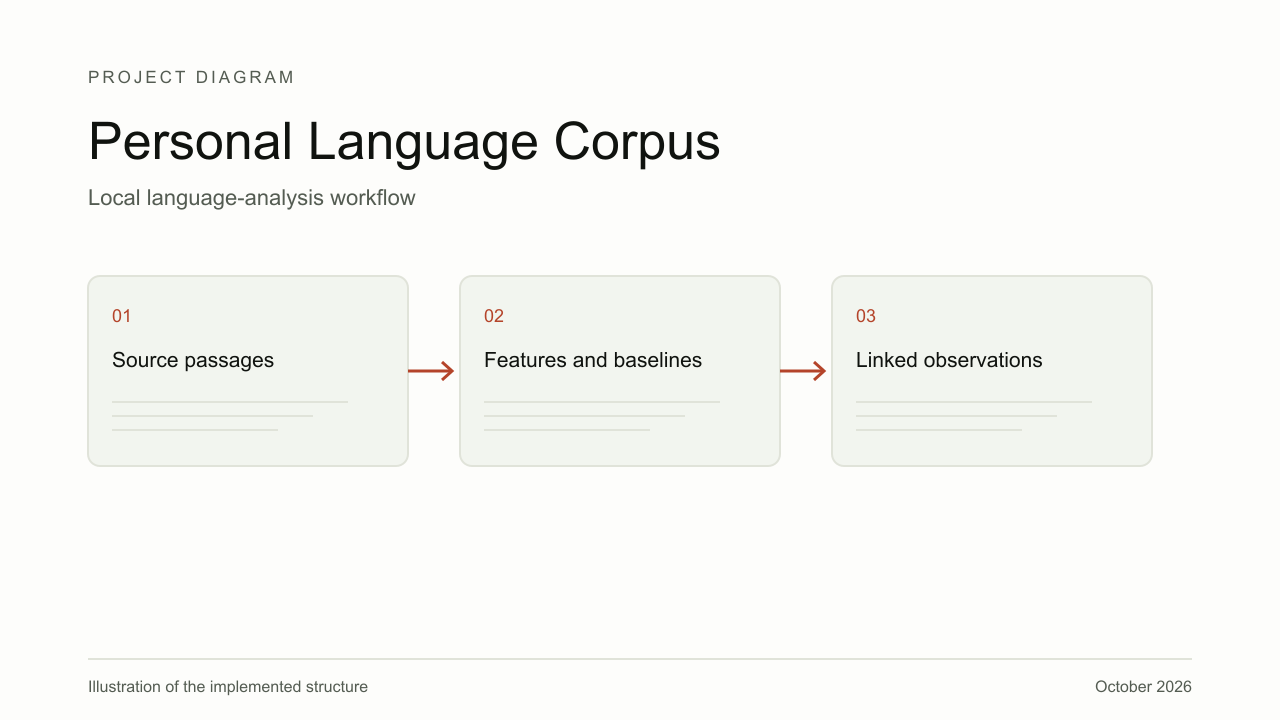
This workflow brings transcripts and exports into one small corpus, keeping passage IDs and source information attached to the analysis so a pattern can be checked against the words behind it.
I write these to work out what I think, and most of the projects are things I wanted to use myself, so they sit together here.
This workflow brings transcripts and exports into one small corpus, keeping passage IDs and source information attached to the analysis so a pattern can be checked against the words behind it.
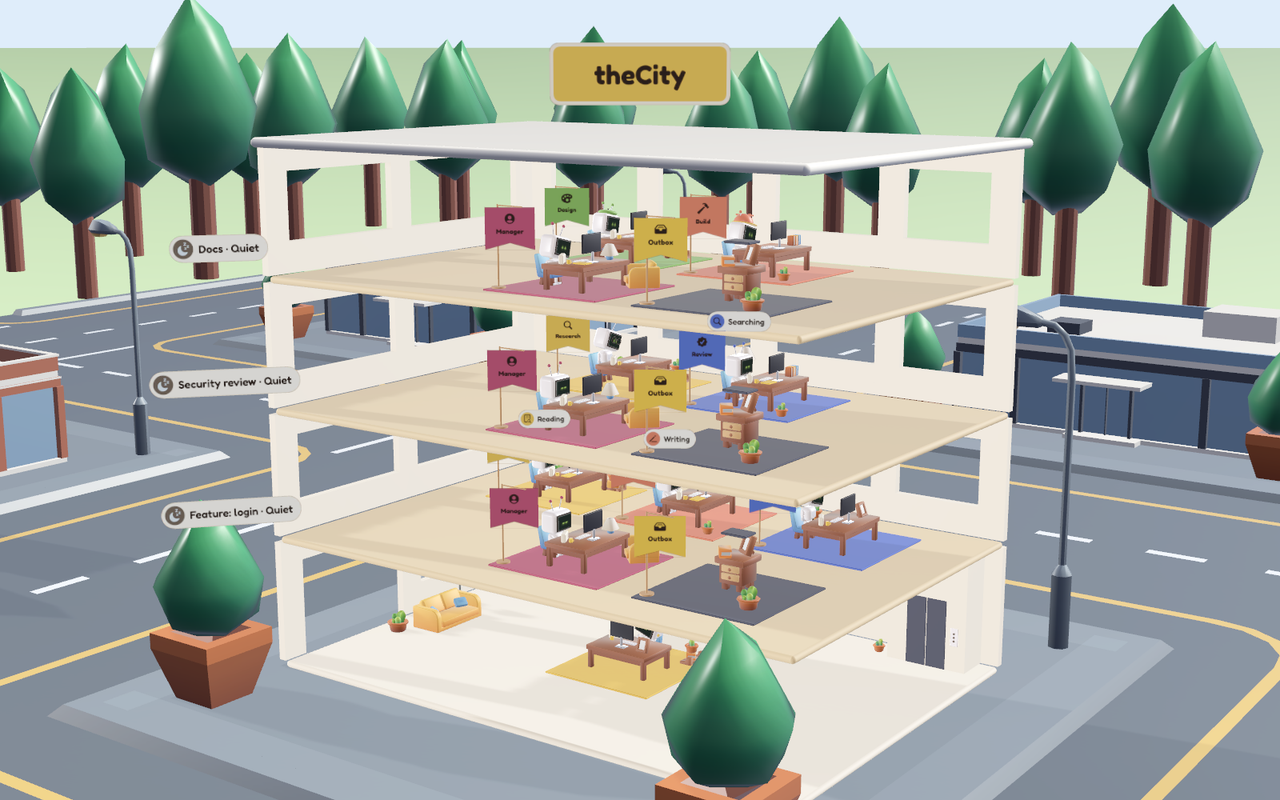
I saw AI Office showing Claude Code agents as robots at desks, and wanted something that fitted the way I work. In The City, each project folder is a building and each team has a floor of robots, so I can see which ones need me.
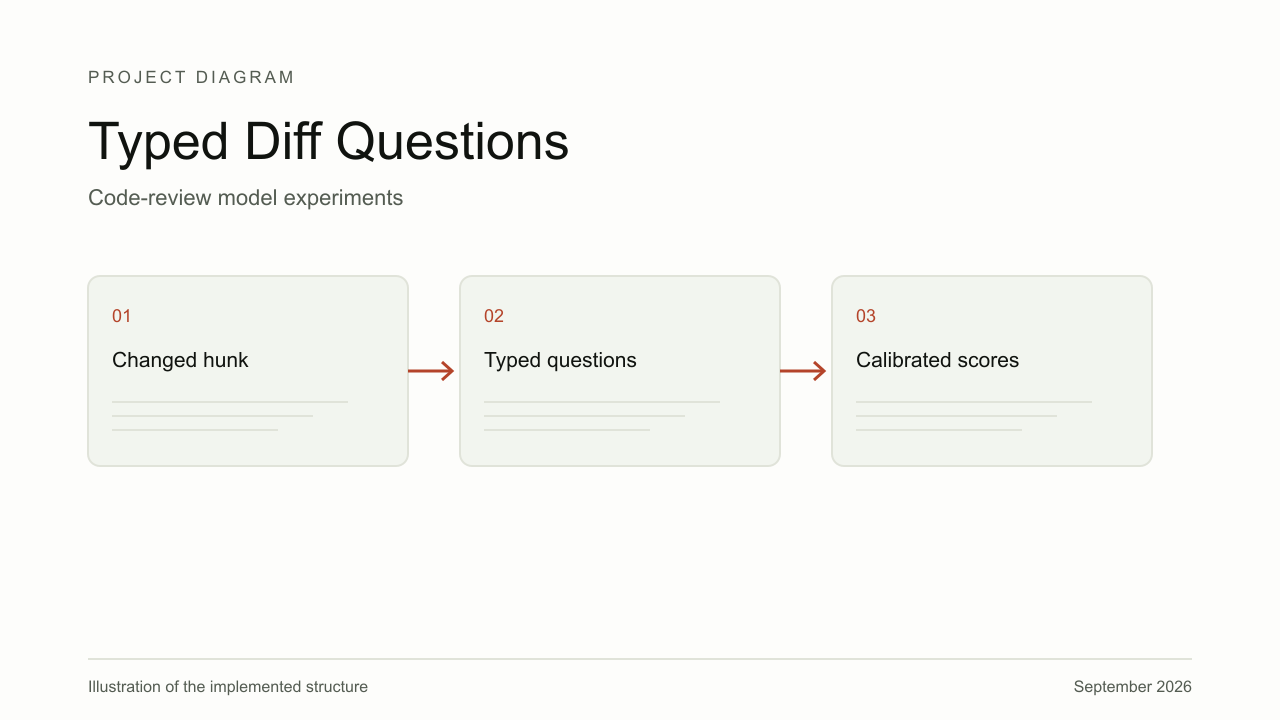
Source codeI tested whether small, typed questions about a changed hunk gave a useful basis for code review, comparing model agreement while keeping the eventual reviewer separate from the experiment.
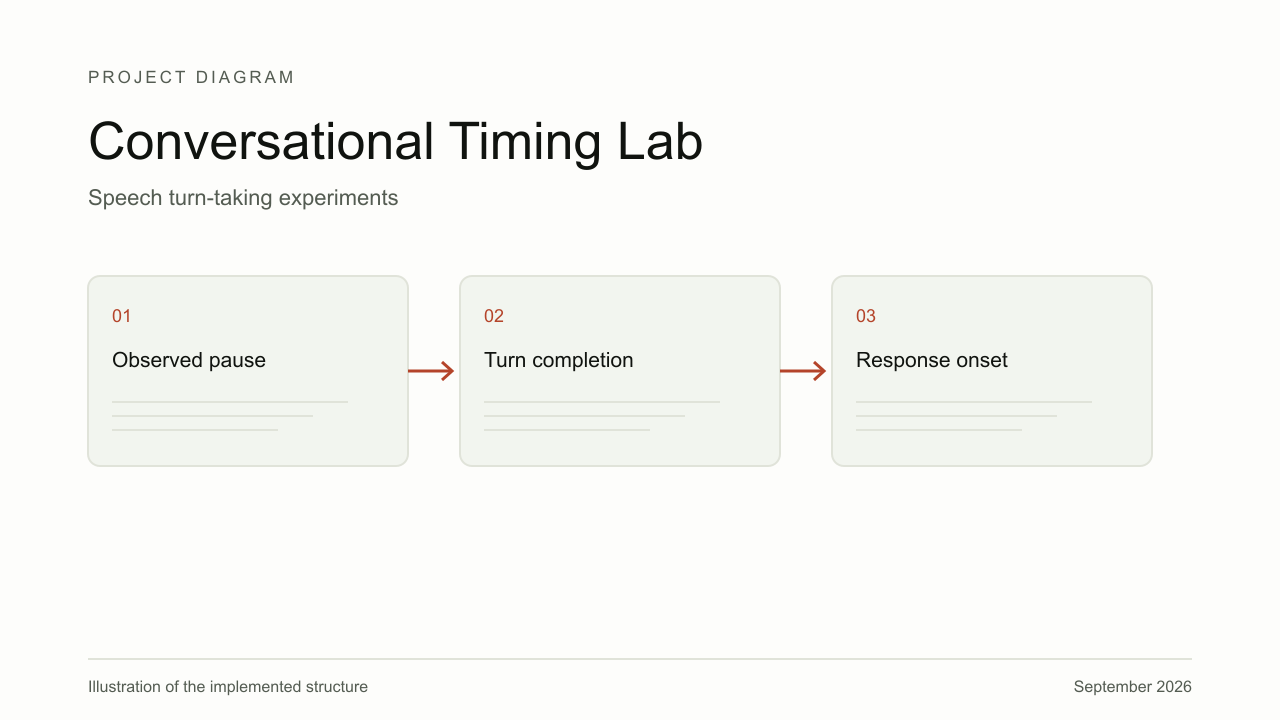
I investigated when a speaker has actually finished, keeping turn completion separate from the timing of the next response and testing pause-based assumptions against recorded conversations.
Source codeNathan’s coaching business grew by word of mouth. His first website needed to show athletes and parents who they would be training with, and make the next step easy.
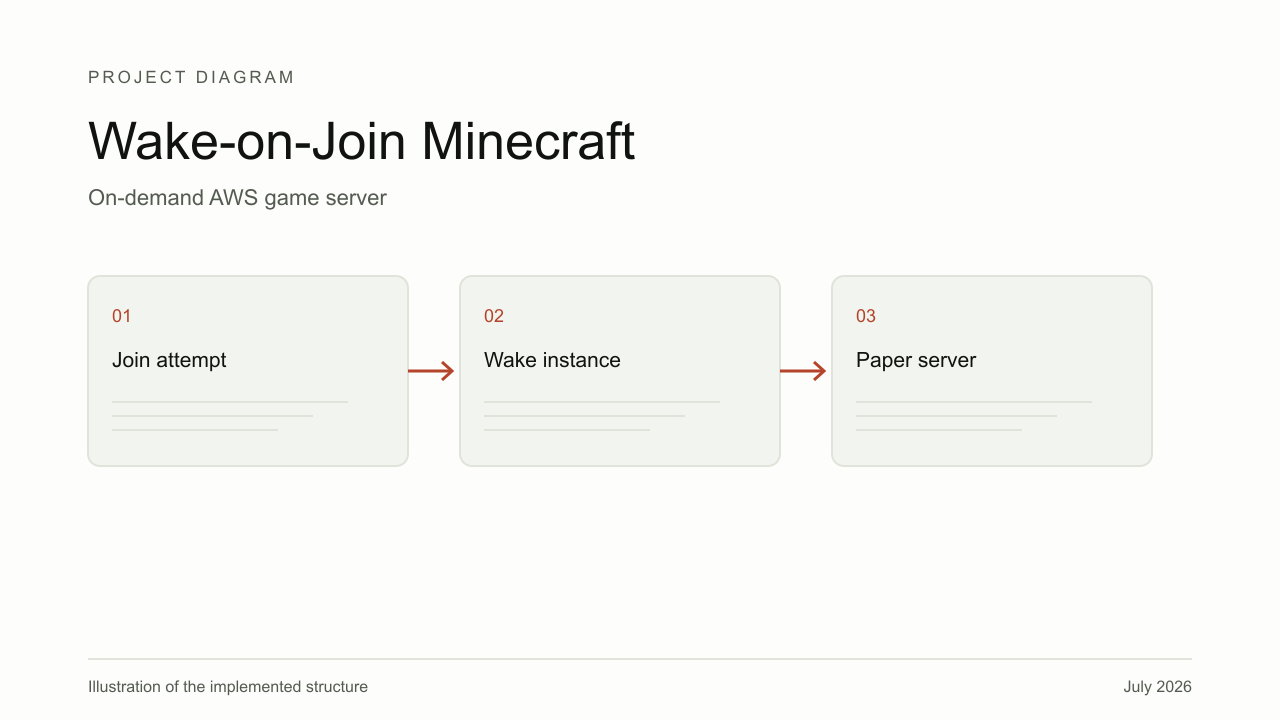
I put together a Minecraft server for friends that can sleep while nobody is playing, with the join attempt acting as the signal to bring it back.
Source codeBrontë brought the design. I built the portfolio around it, with the project content in a CMS so they could keep updating it themselves.
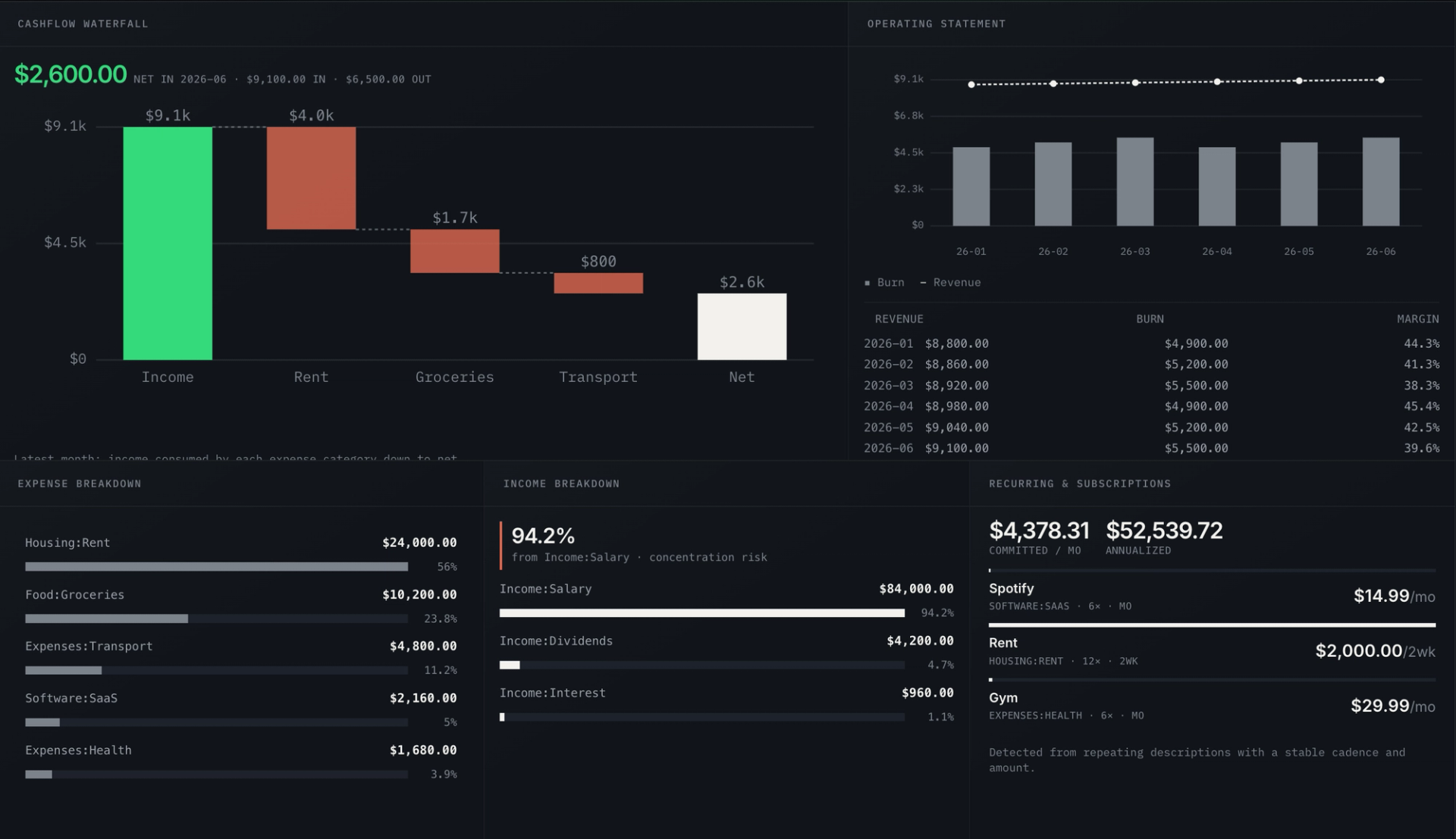
I wanted one view of what I own, owe, earn and spend. I built You Inc around a ledger, then took the accounts and billing back out so people could run it on their own machine.
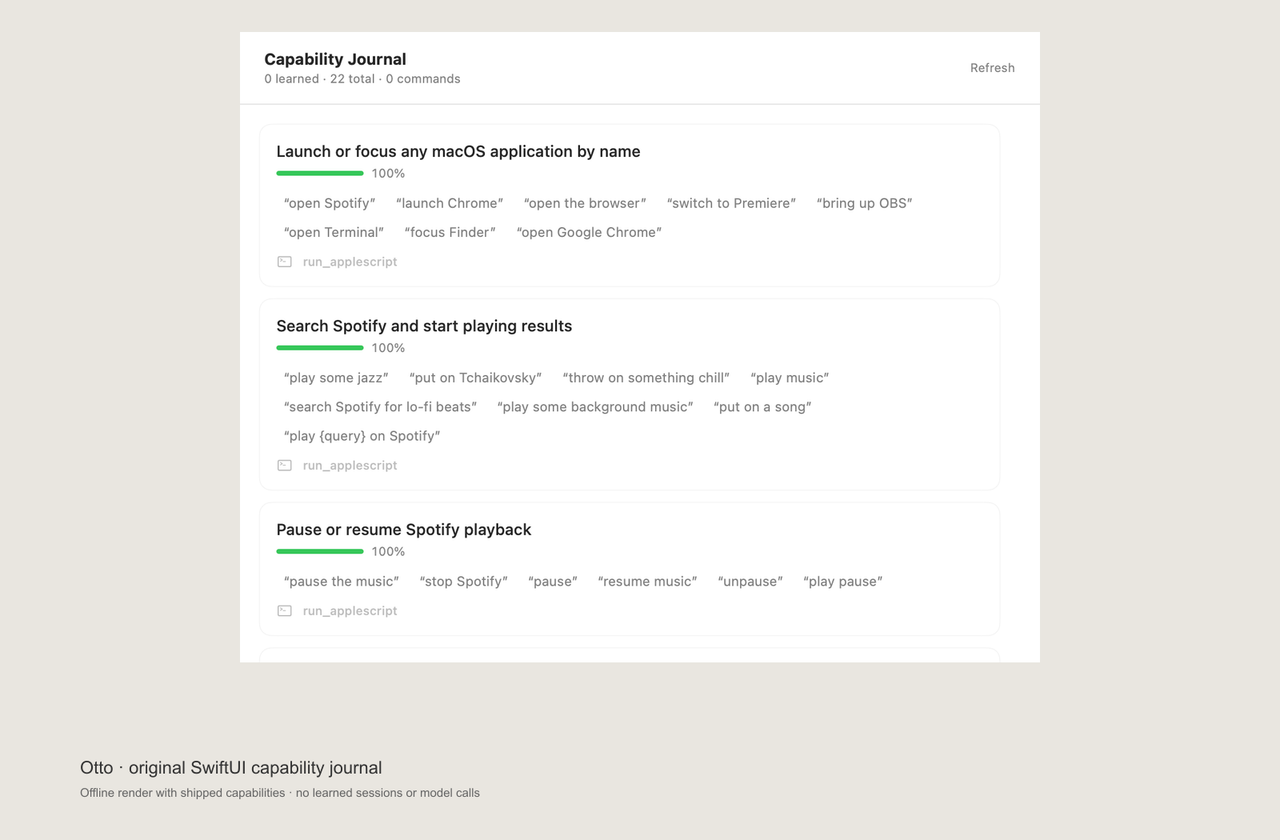
Source codeOtto is a voice and text assistant for the Mac. I developed it from the voice-os project, moving the app into Swift and adding capability and session-learning work.
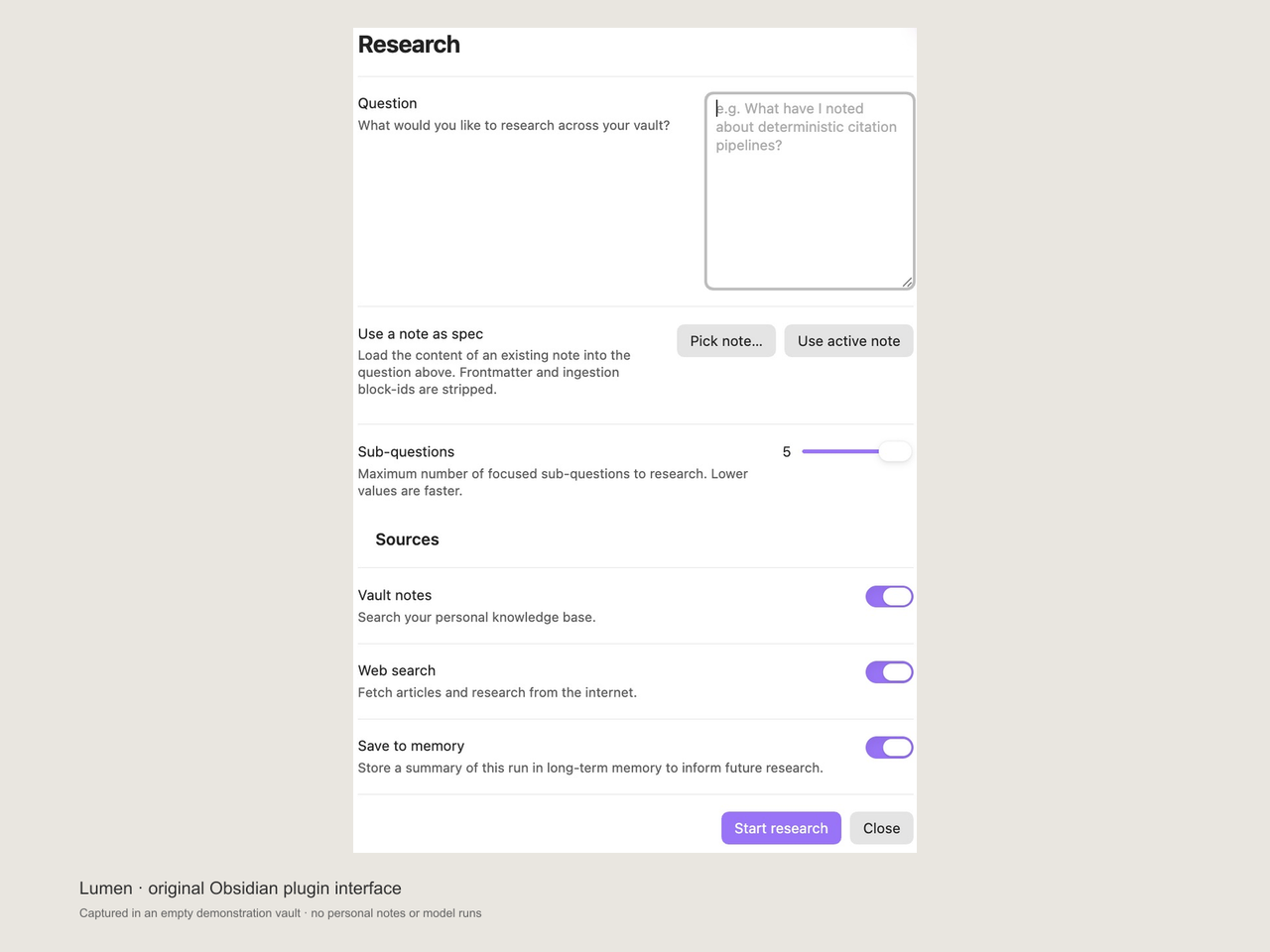
Source codeLumen connects an Obsidian vault to a local research backend, surfacing related notes and assembling reports whose citations are checked against the vault.
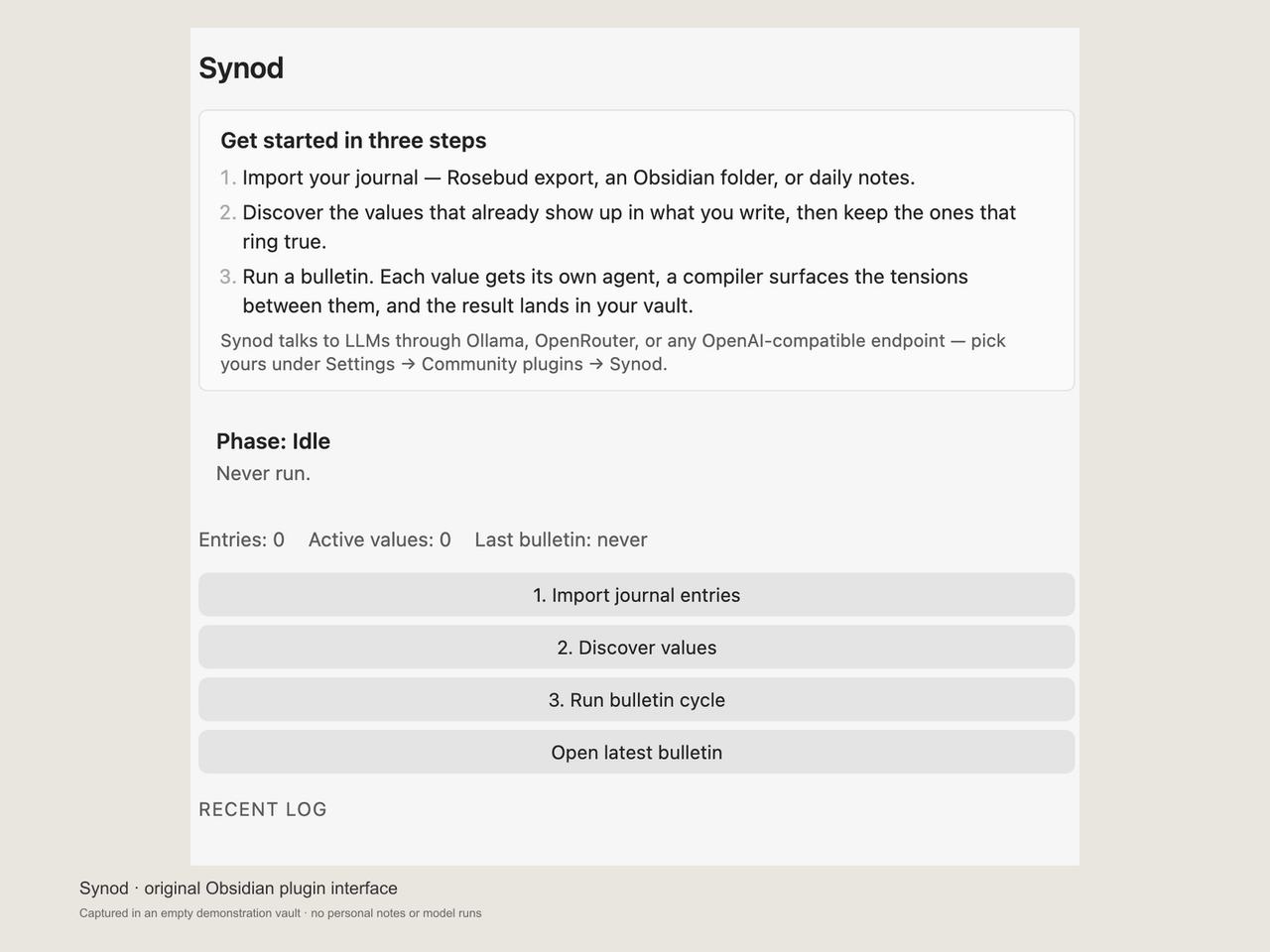
Source codeSynod reads a period of journal entries through separate agents for the values found in them, then brings their disagreements back into the vault as a bulletin.
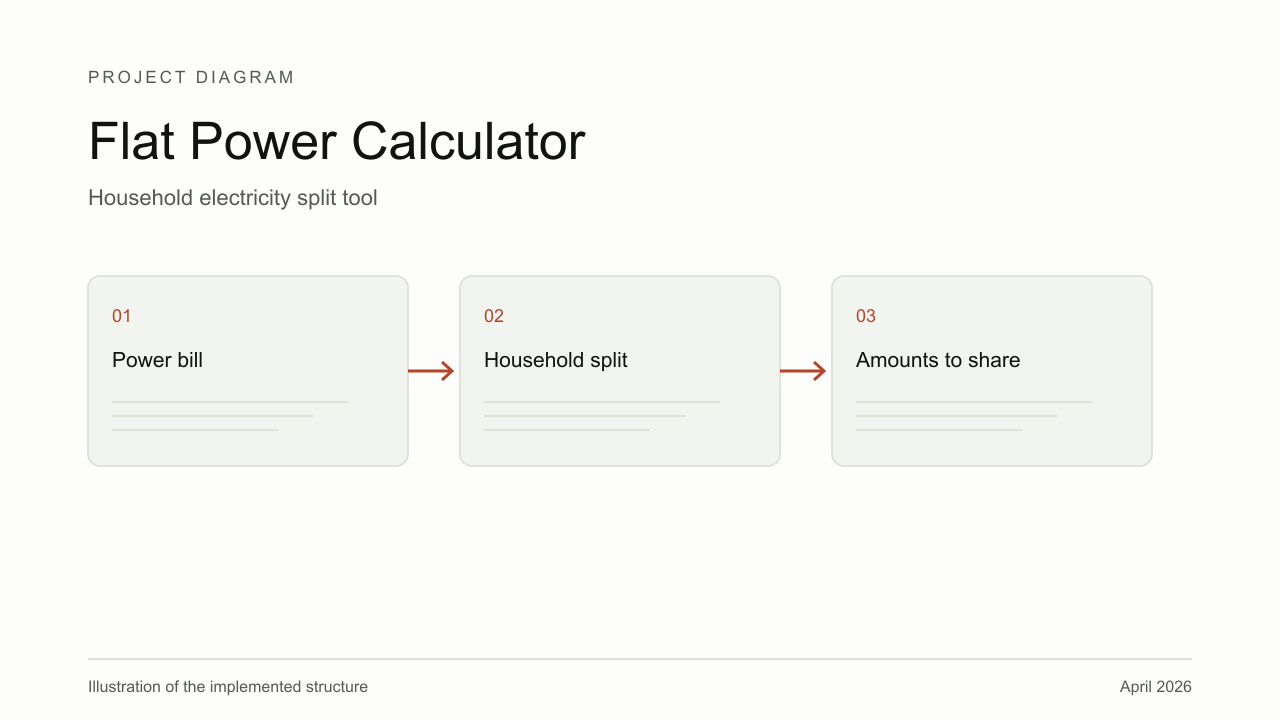
Source codeI made a small calculator for the flat power bill, keeping the calculation and the message about what each person owes close to the same inputs.
Source codeMy desktop GPU sits idle most of the day. I built a way for friends to share it for local AI and rendering, with the limits of a home machine visible.
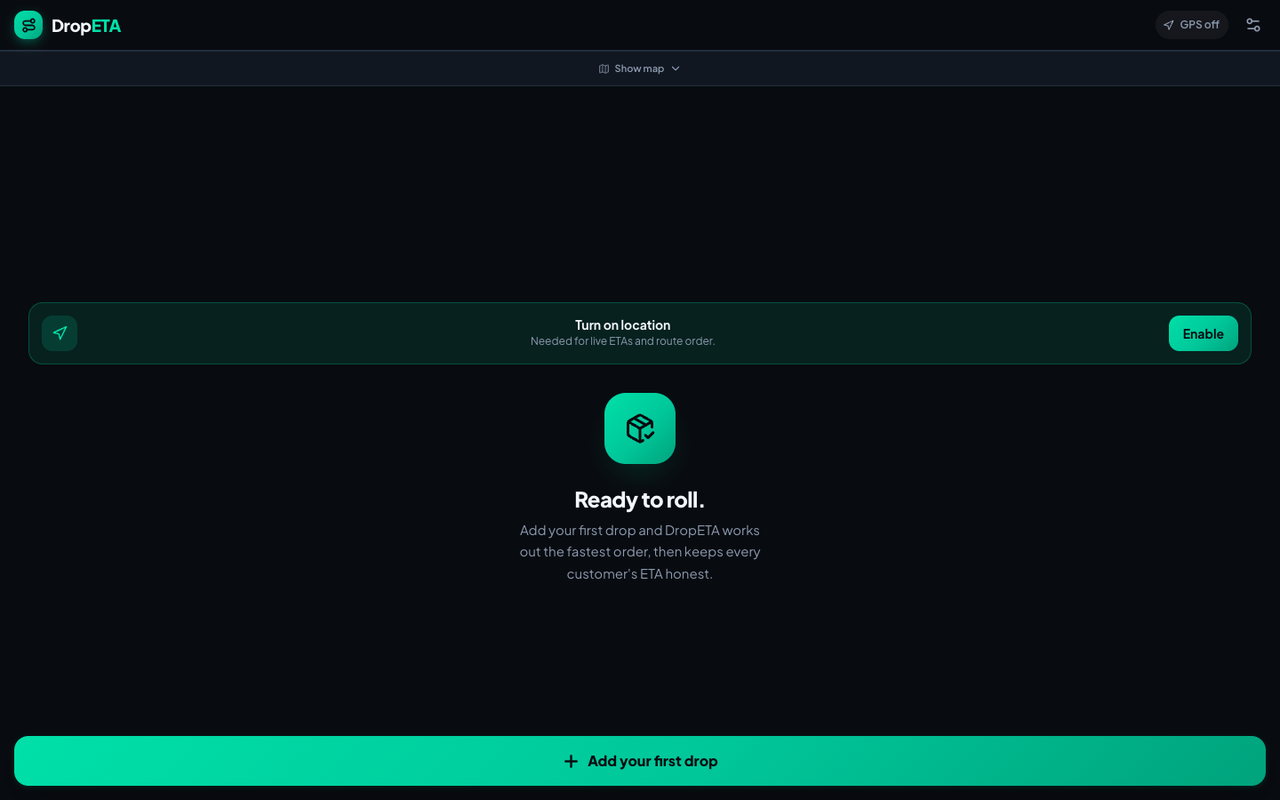
Source codeDropETA is a prototype for arranging a changing list of deliveries, using route durations to work through stop order and the arrival times that follow from it.
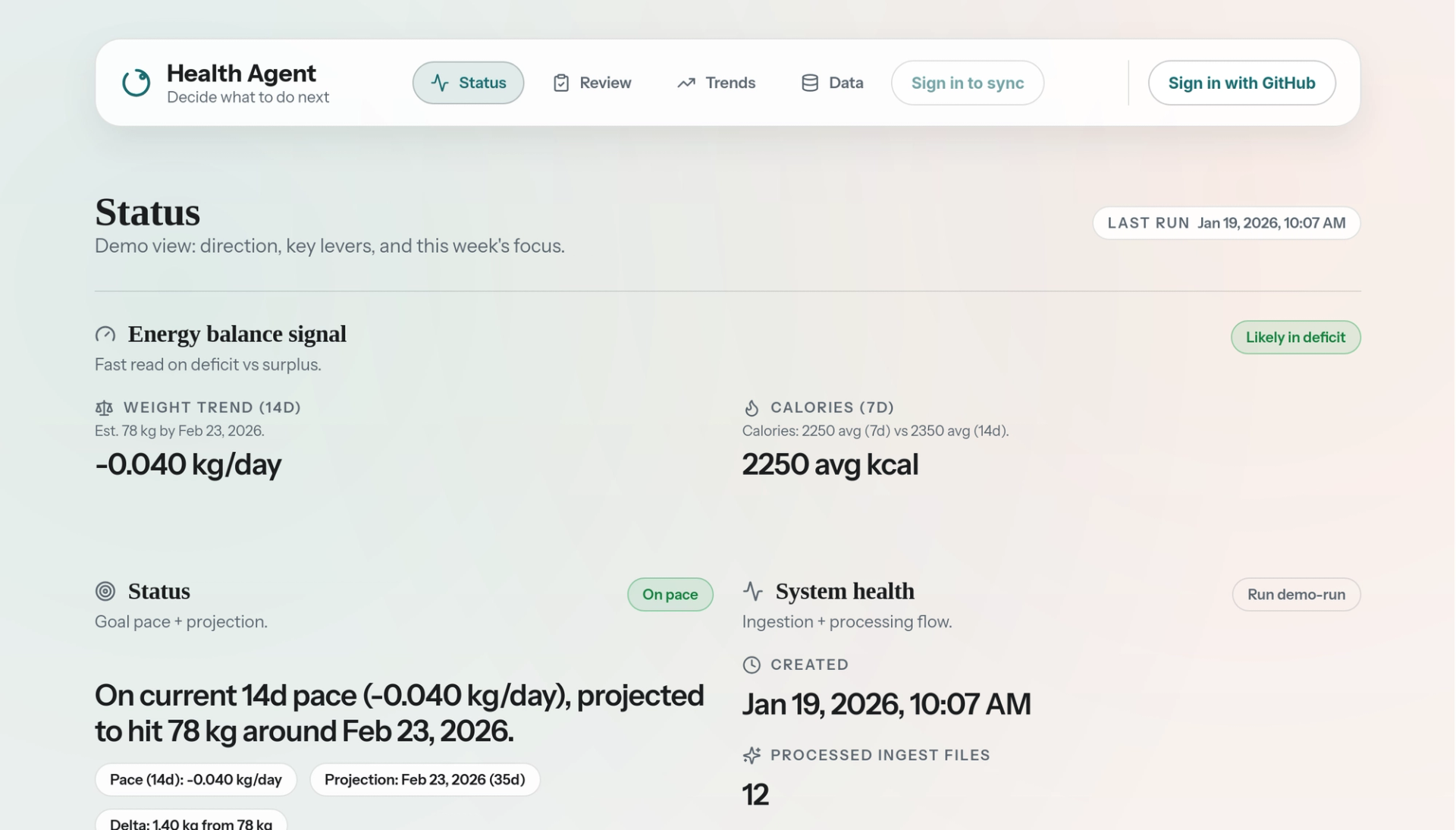
My nutrition and activity lived in different apps. I brought their Apple Health exports together so I could see the trends in one place.
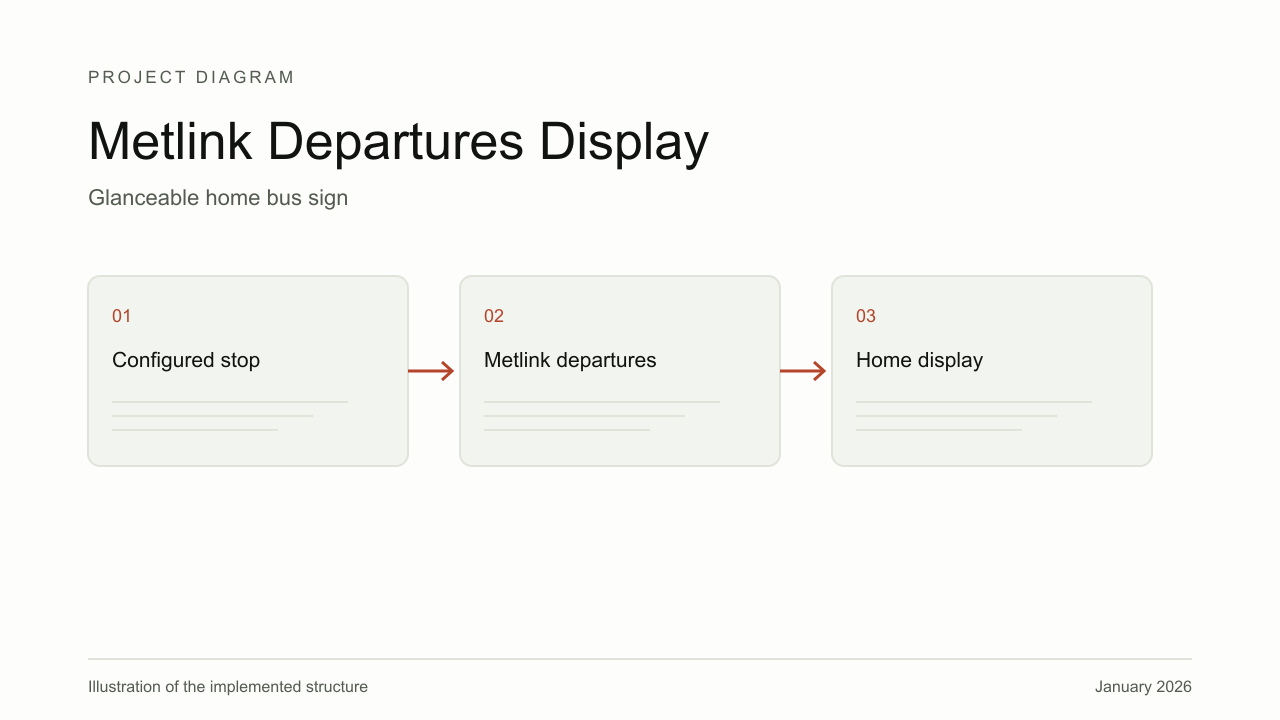
Source codeA small departures sign for Wellington buses, built to put the next arrivals somewhere glanceable instead of repeating the same stop lookup.
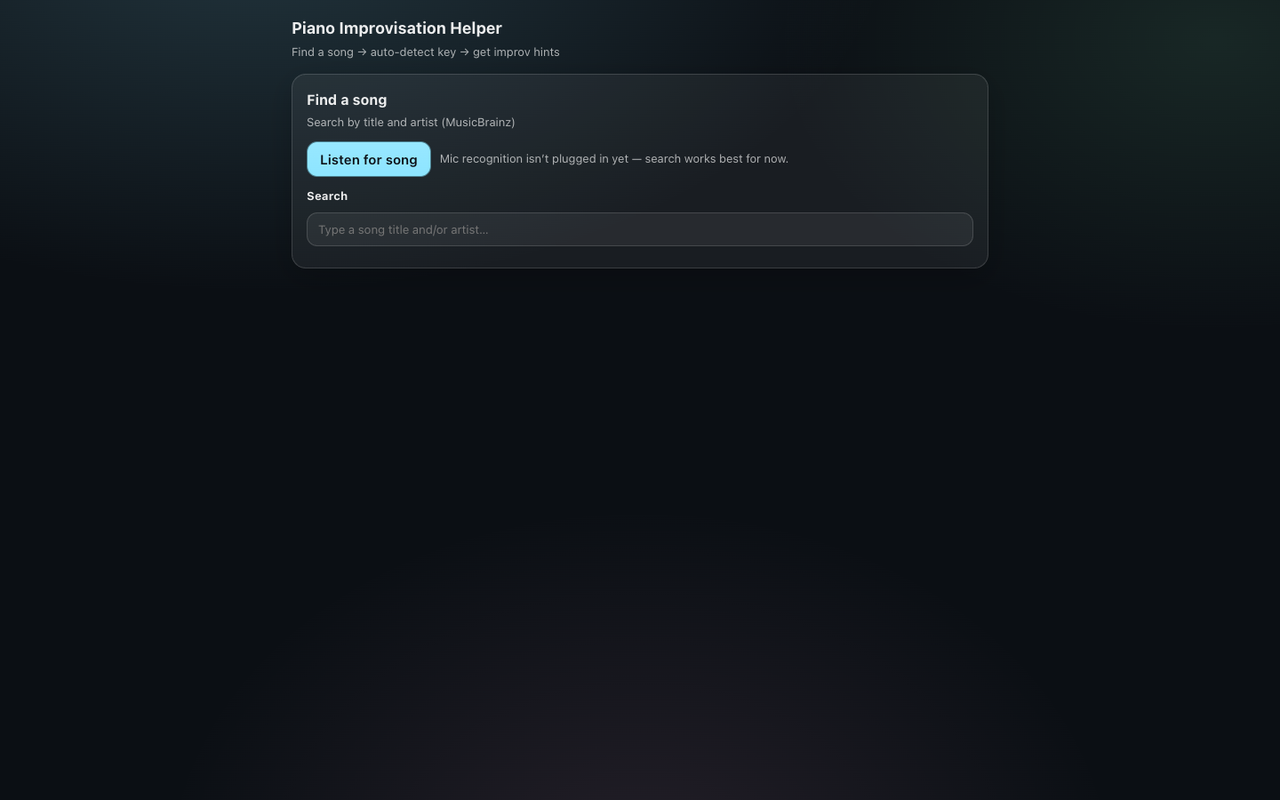
Source codeThis small app looks up a song, analyses an available preview and shows the likely key with alternate guesses, giving a starting point for playing along.
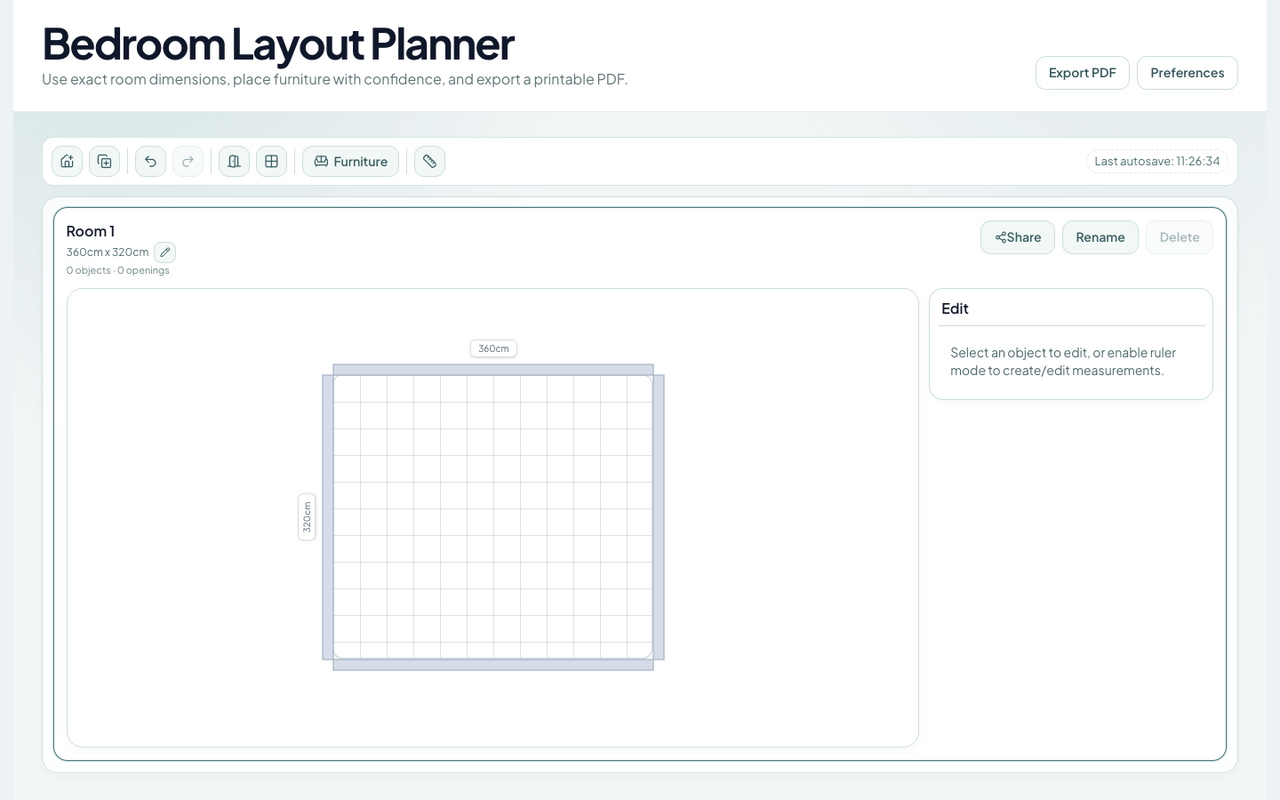
Source codeBedroom Layout Designer is a browser tool for trying room arrangements with actual dimensions, keeping furniture, openings and measurements in the same editable plan.
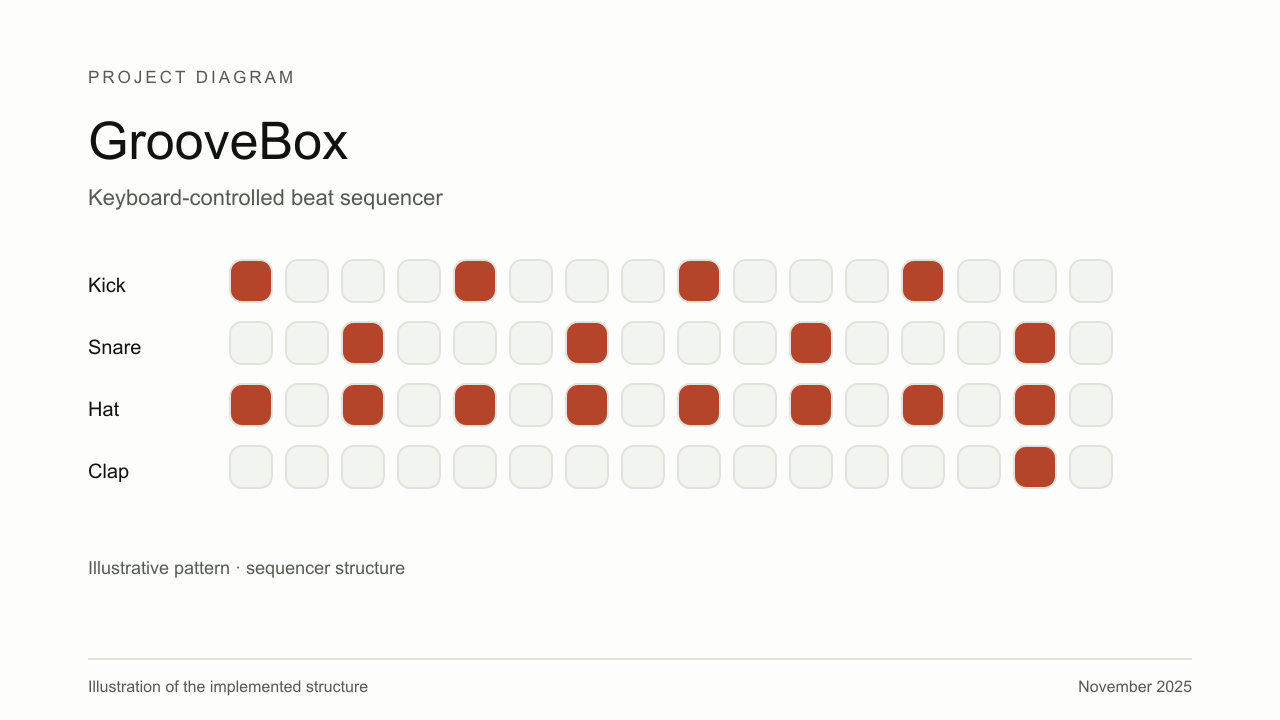
Source codeGrooveBox is a small beat-sketching tool, using the computer keyboard to play samples and record patterns that can be changed while the sequencer runs.
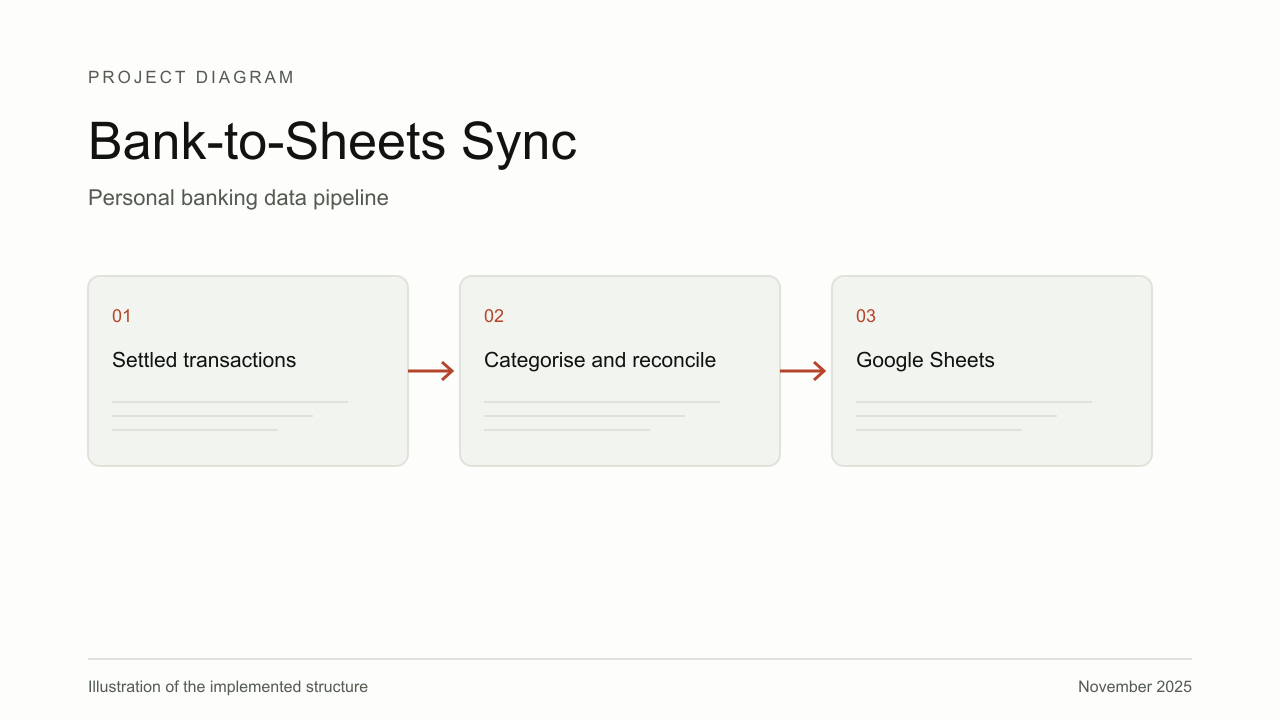
Source codeI made a small banking pipeline that keeps settled transactions in Google Sheets, leaving the budget calculations in the sheet and handling the recurring sync in Python.
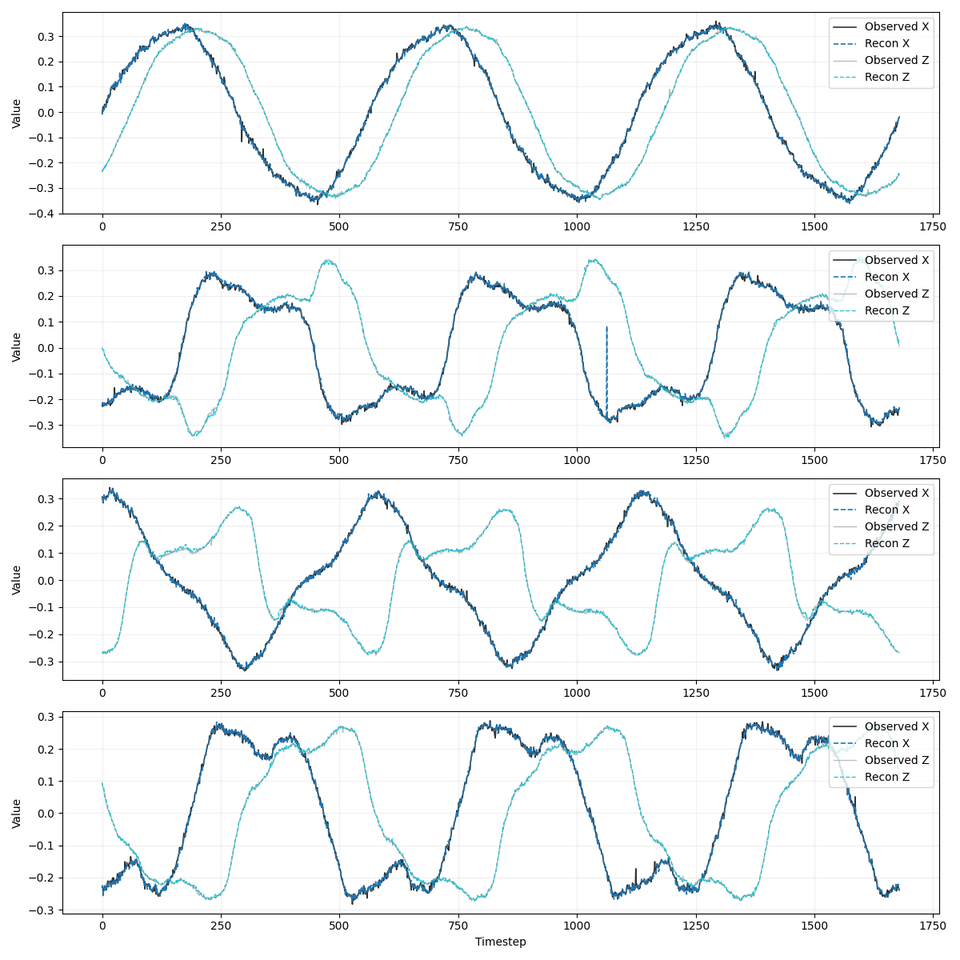
Source codeI studied whether diffusion models trained on normal magnetic-field signals could identify electrical faults, separating reconstruction quality from the detection behaviour needed in a monitoring system.
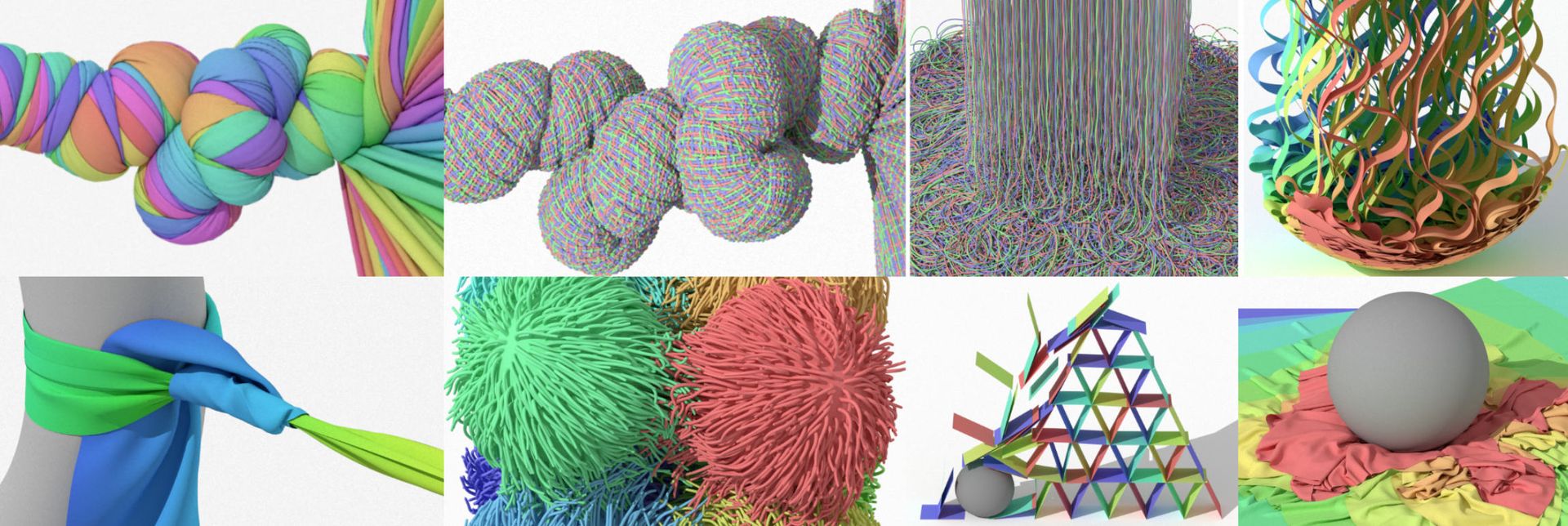
AndoSim brought a published contact-simulation method into Blender, with a C++ solver, Python bindings and controls for cloth and shell experiments.
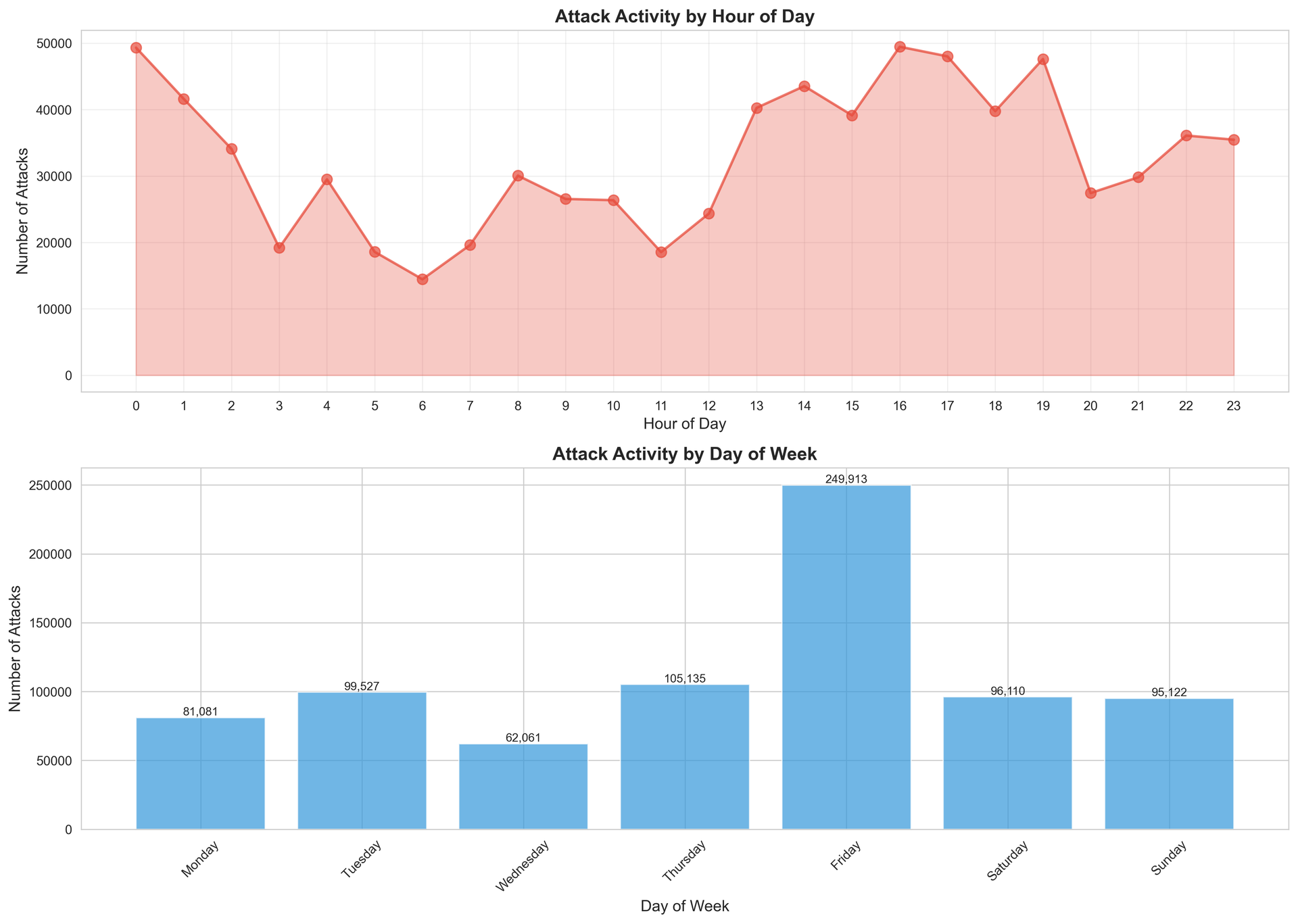
Source codeI used Cowrie honeypot logs to examine the activity behind repeated login attempts, bringing event summaries and campaign-level observations into a pair of reports.
What would happen if I lost the machine running my home services? I built a small server around that question, then tested a full recovery.
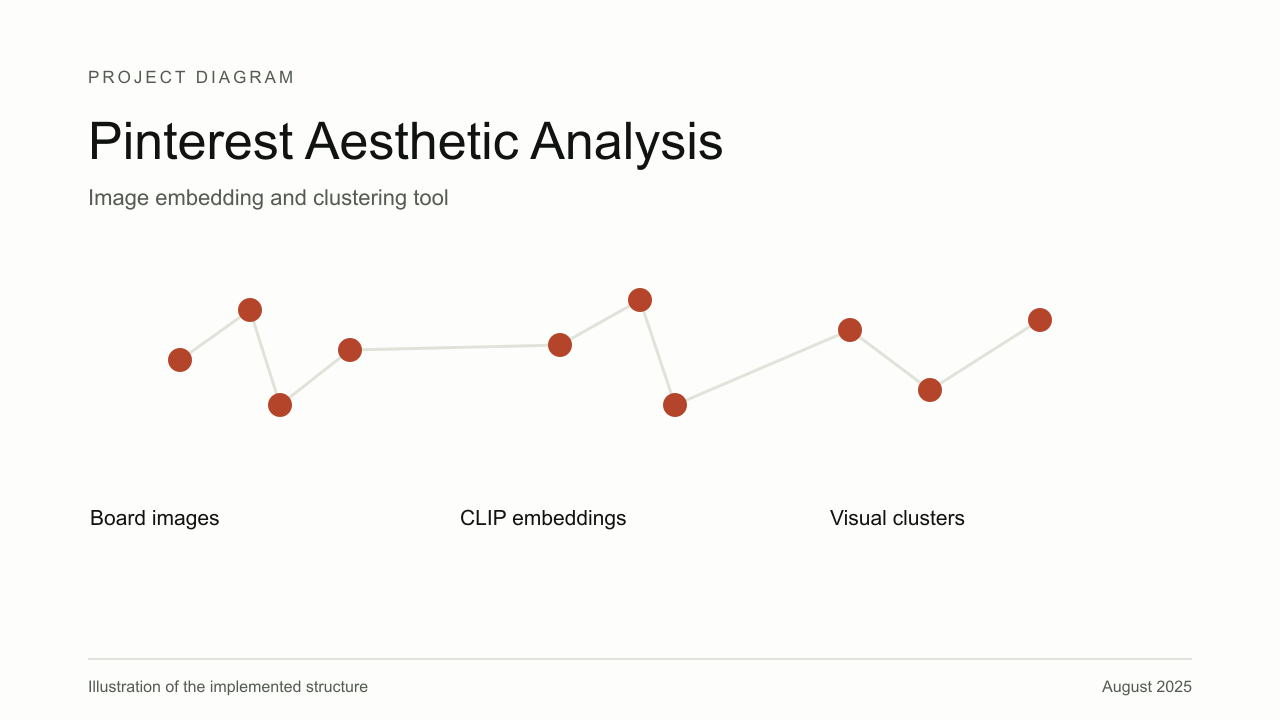
I used image embeddings to look at the themes inside a Pinterest board, grouping similar images and keeping snapshots that could be compared over time.
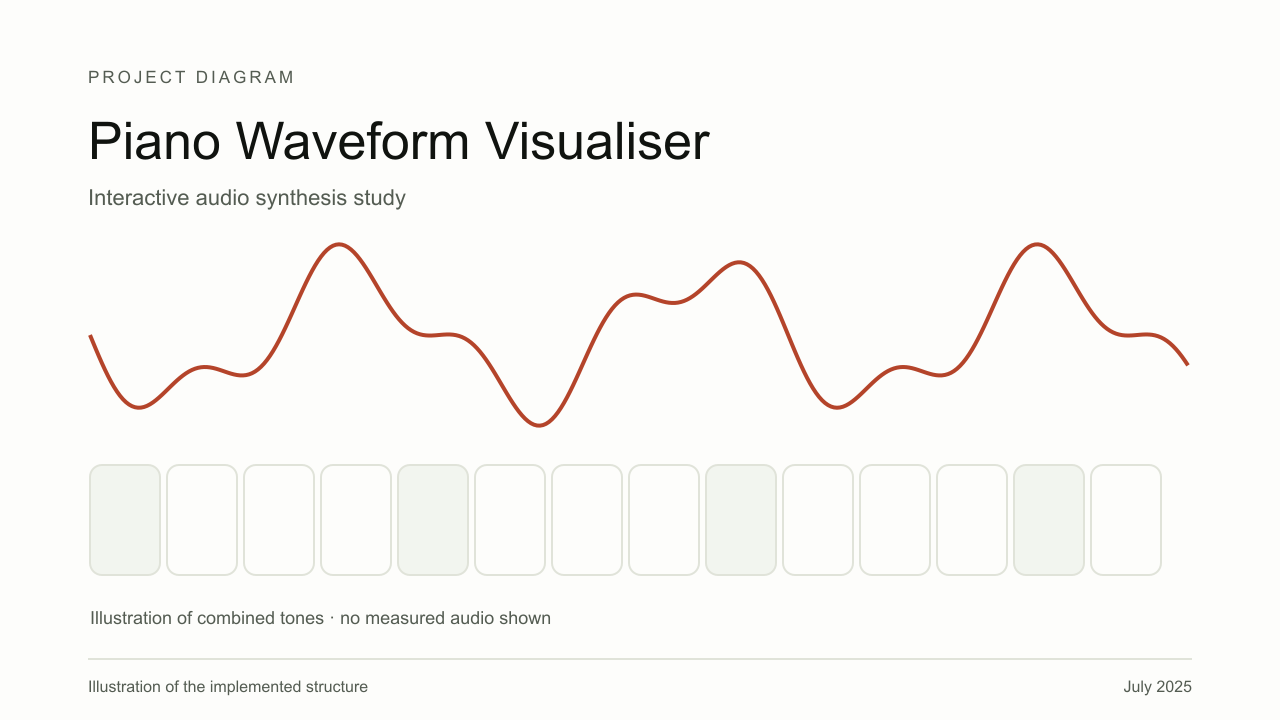
Source codeI made a small C++ piano visualiser where selecting keys changes both the sound being synthesised and the waveform shown beside the keyboard.
Source codeI worked with 1.88 million US wildfire records for a university project, and got into how a model could look accurate while missing the larger fires.
TransitSync connected Google Calendar locations with Metlink route planning, keeping the travel problem close to the events that made the journey necessary.
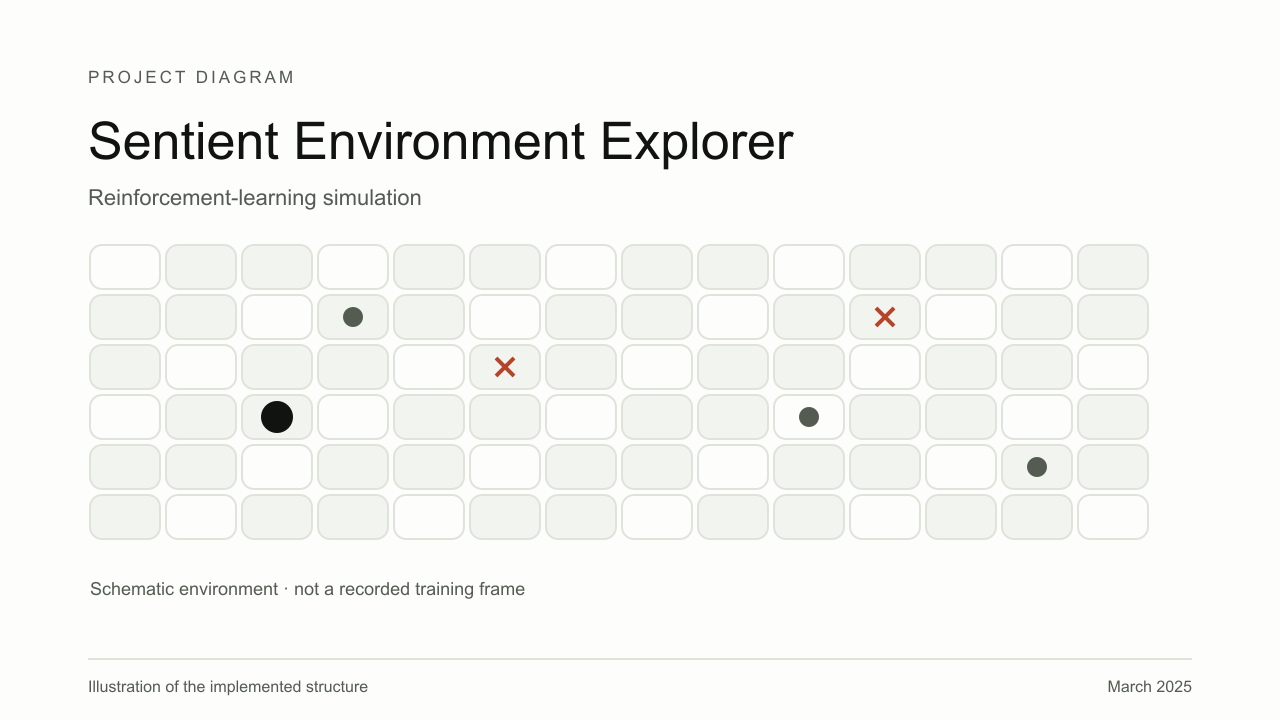
Source codeSentient was an experiment in an agent learning its way through a changing 2D environment, with food and hazards giving its movement a consequence.
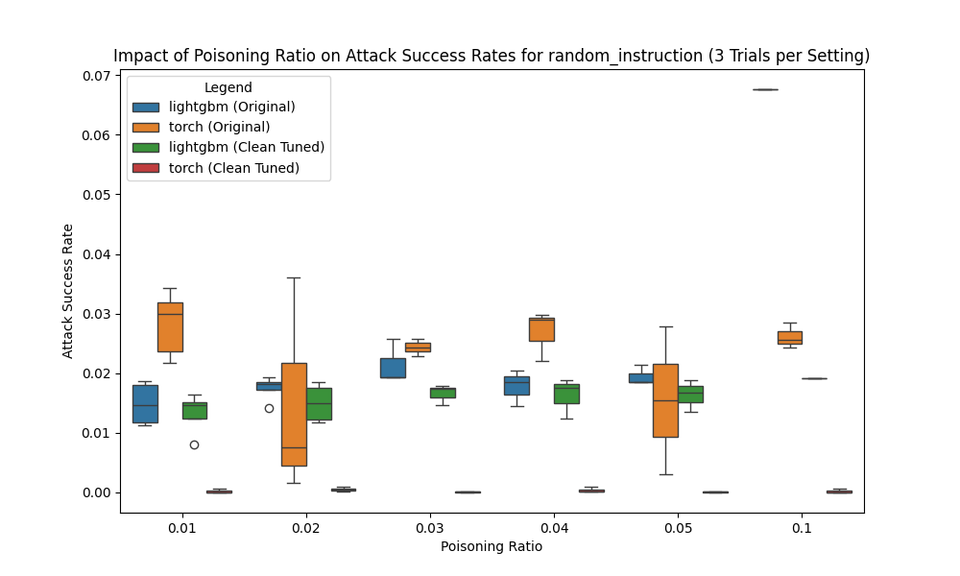
This academic study examined how poisoned training data affected malware classifiers, comparing attack success with the clean detection behaviour that still had to be preserved.
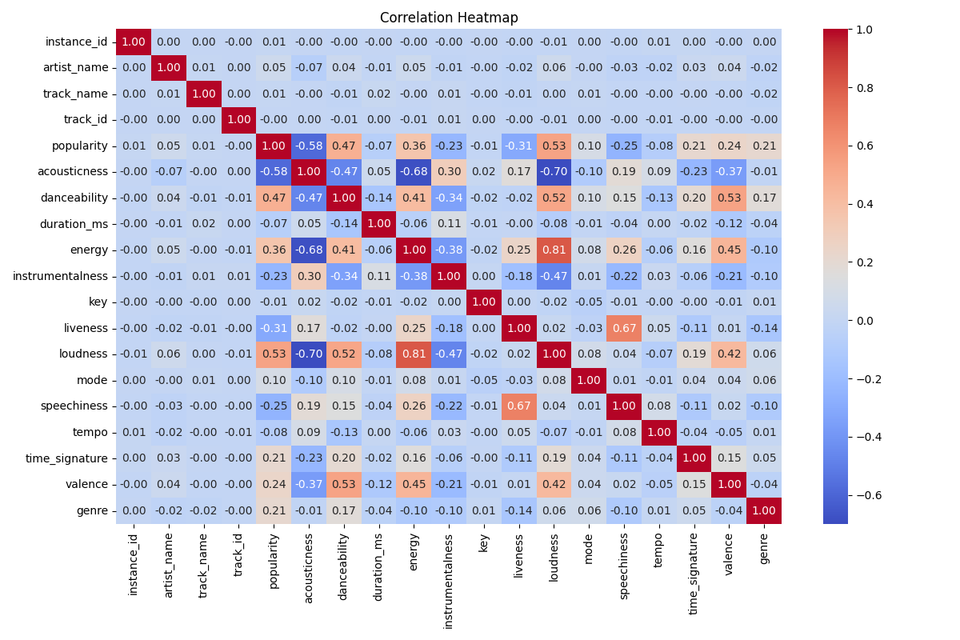
I worked with track-level music data to compare genres through their features, building the preprocessing and training workflow alongside plots of the dataset.
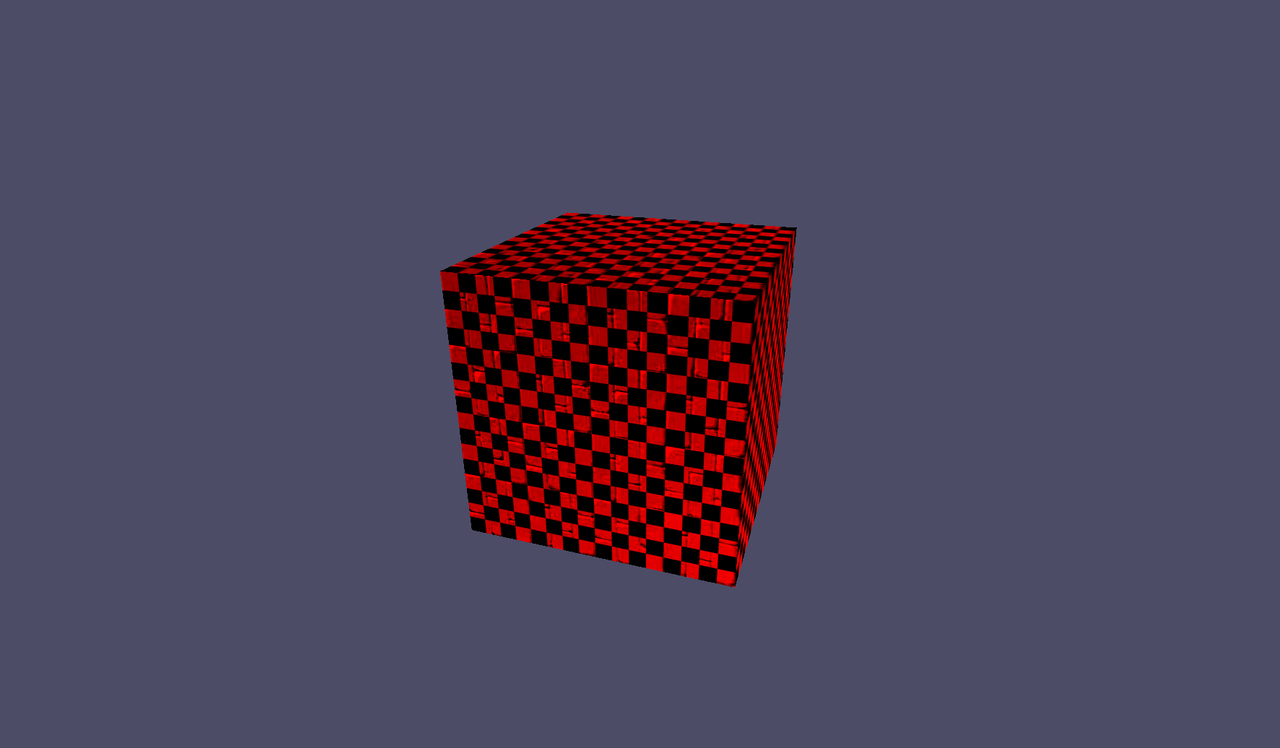
Source codeI explored how generated geometry and shader inputs meet in a real-time renderer, building the coursework shapes and working through lighting and texture techniques.
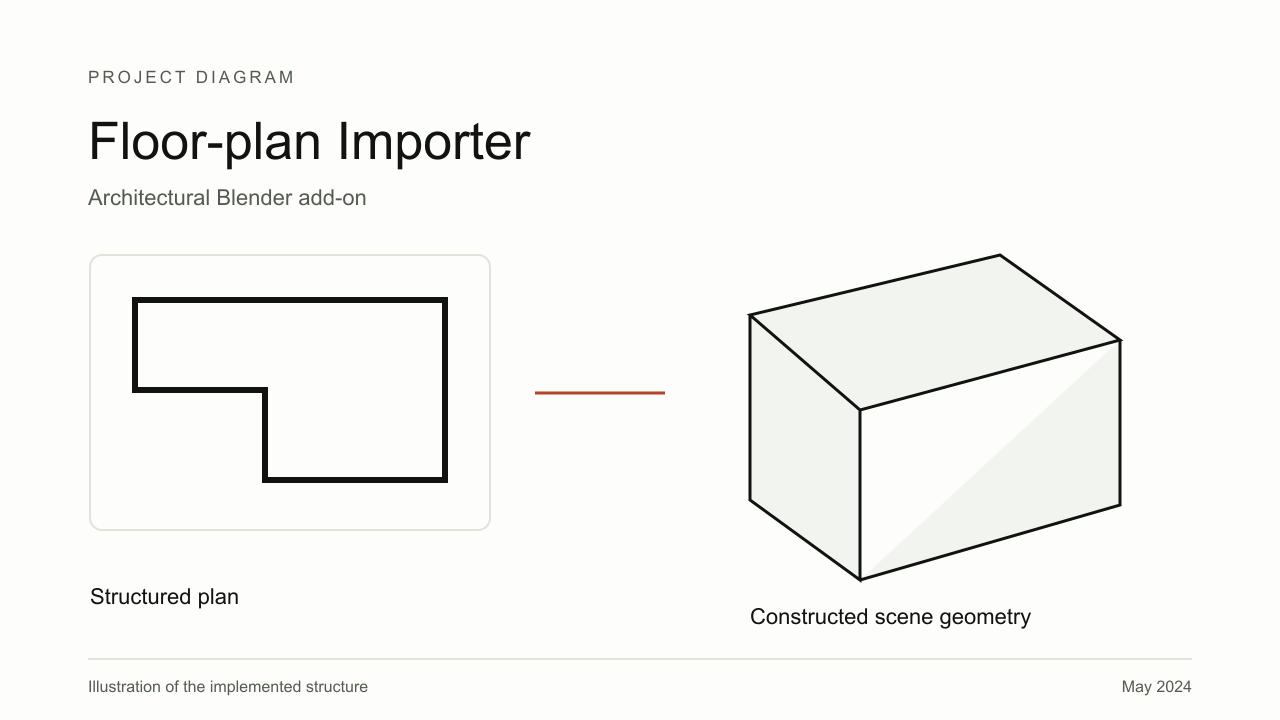
Source codeThis Blender add-on reads floor-plan data and creates the corresponding geometry, keeping the import step close to the modelling tools used to work on the result.
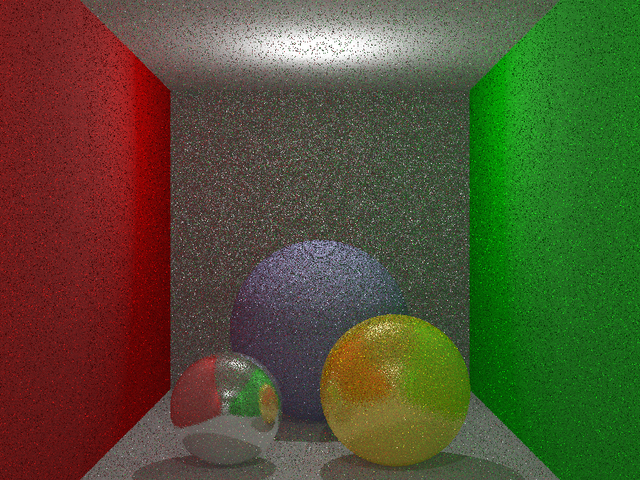
Source codeI worked on a C++ path tracer as part of university graphics coursework, exploring how sampling and scene materials showed up in the rendered image.
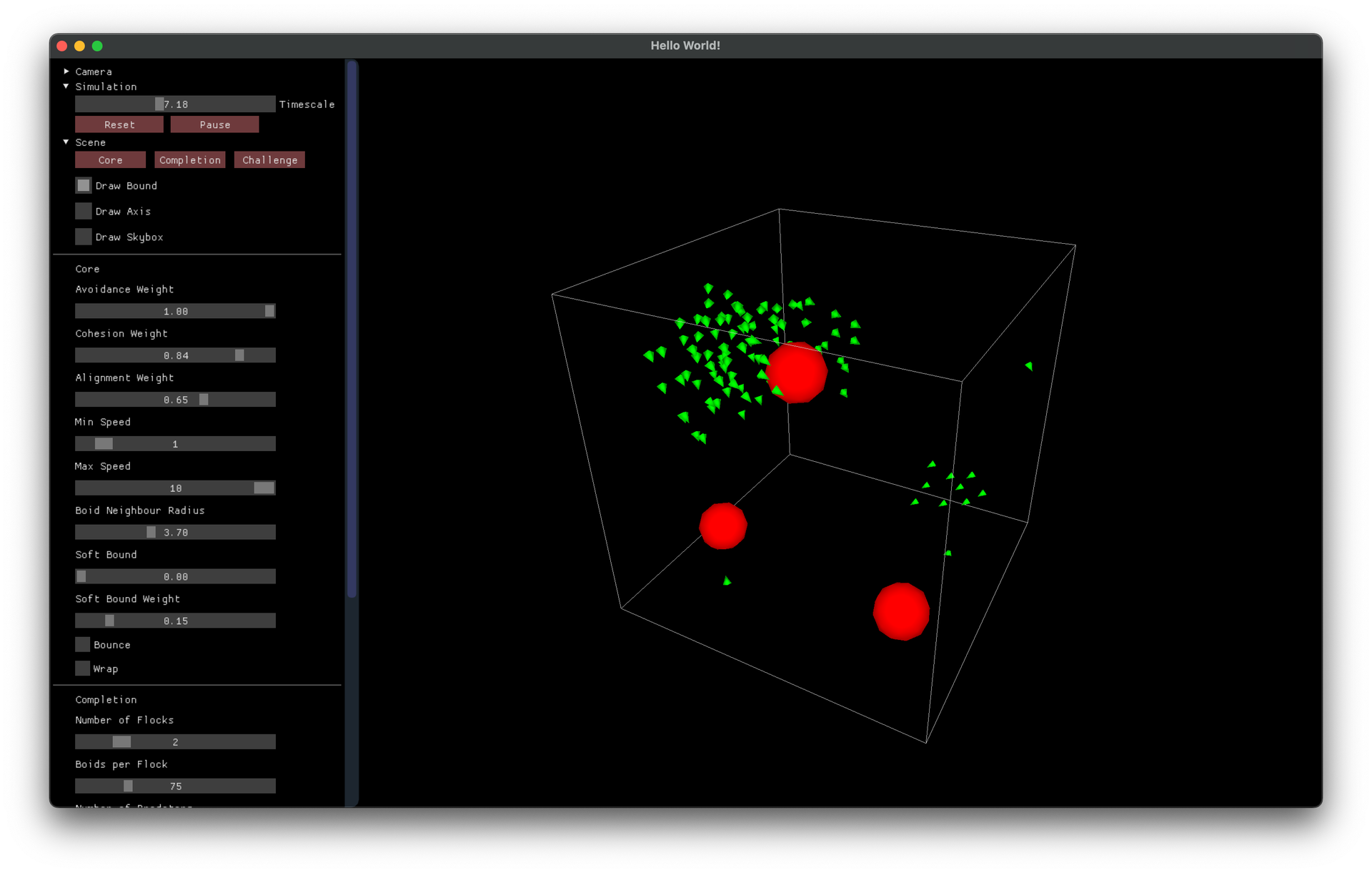
This graphics assignment explored flocking through individual movement rules, with boids moving through a shared space and responding to neighbours and obstacles.
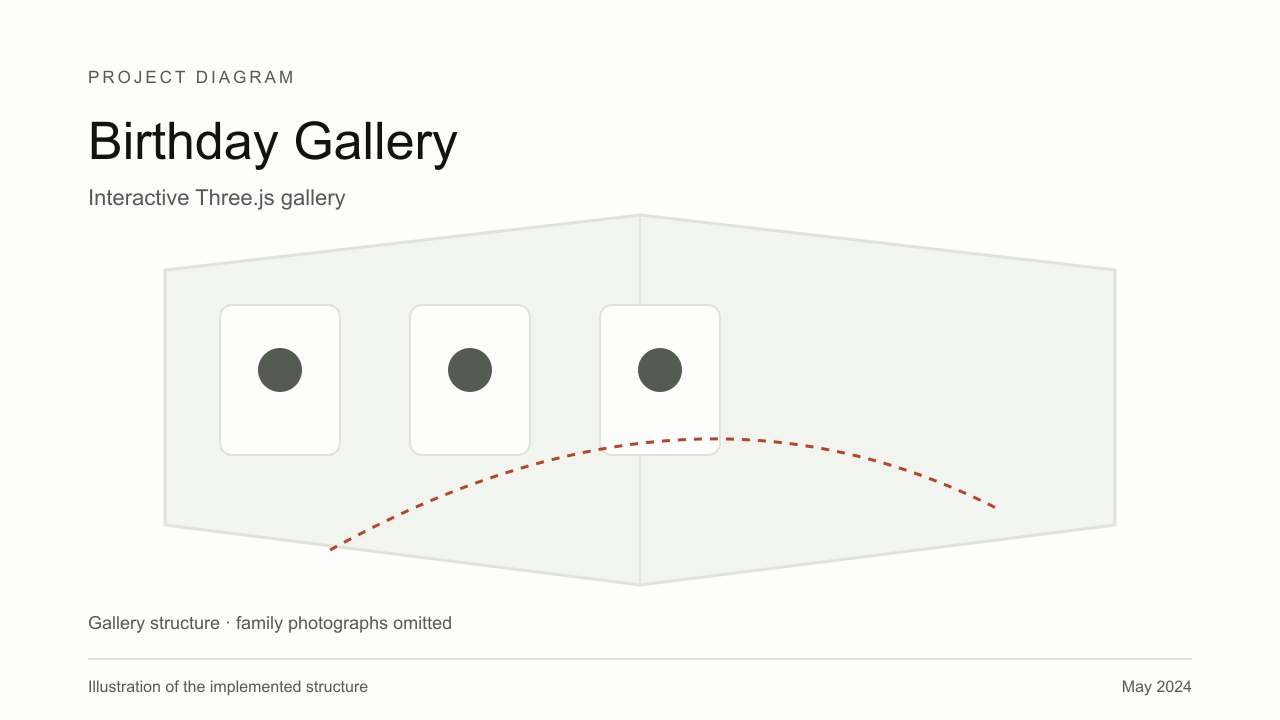
Source codeI made a birthday gallery for my dad, arranging photographs inside a small 3D space that you can move through in the browser.
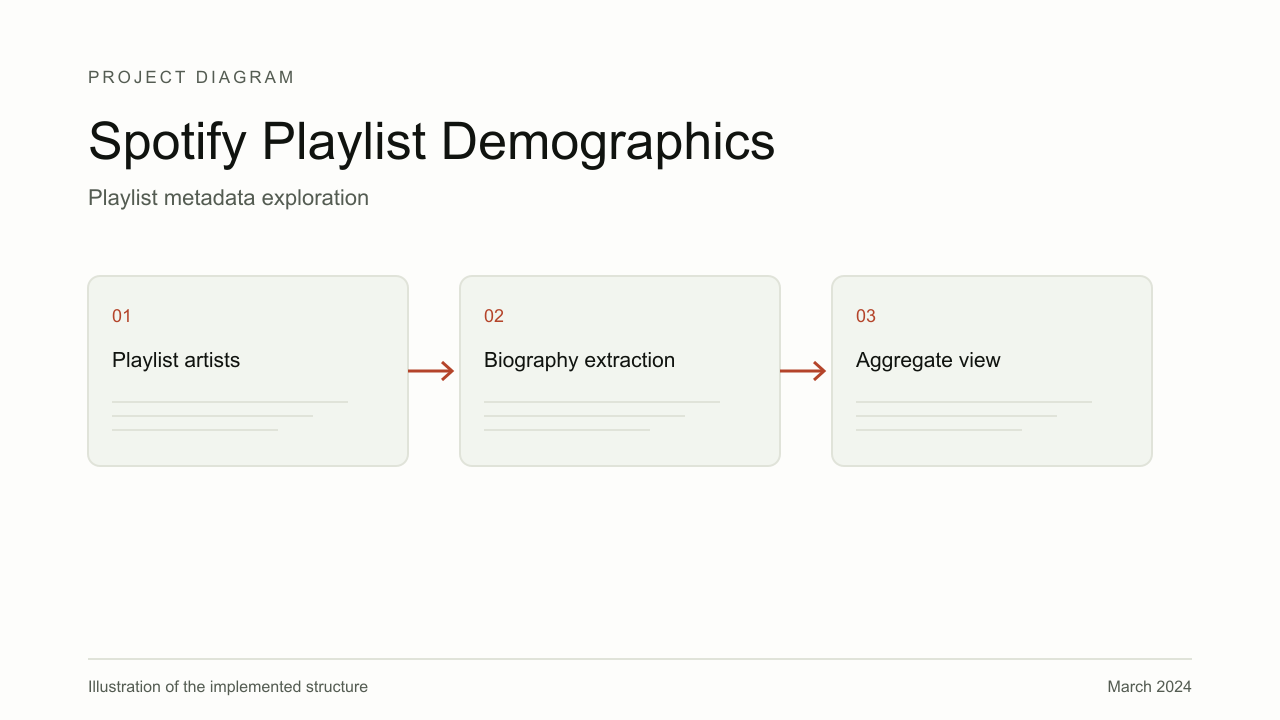
This experiment started with a Spotify playlist and followed its artists into biographical sources, using extracted metadata to build a view of the collection.
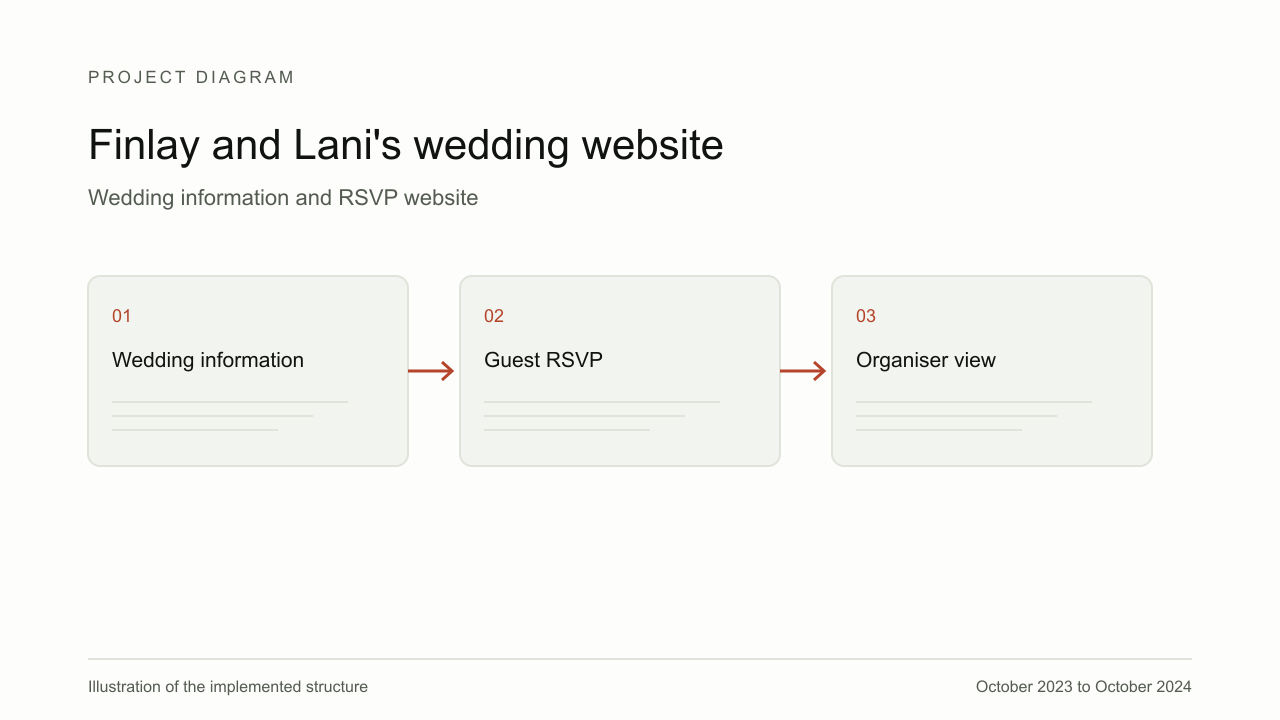
Source codeI built Finlay and Lani a wedding website that brought the event information and RSVP process together, with a separate view for managing the responses.
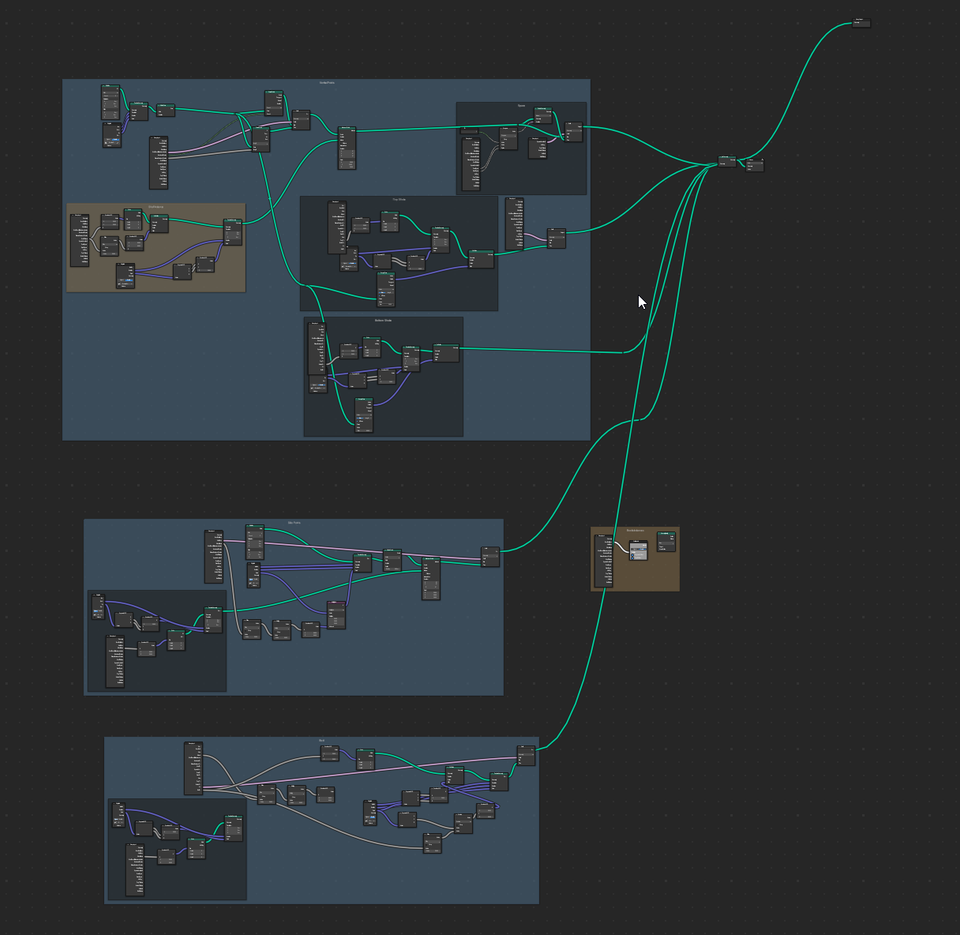
Source codeA small Blender asset for generating a bookshelf through geometry nodes, keeping the construction in the node graph so the shape can be adjusted without rebuilding it by hand.
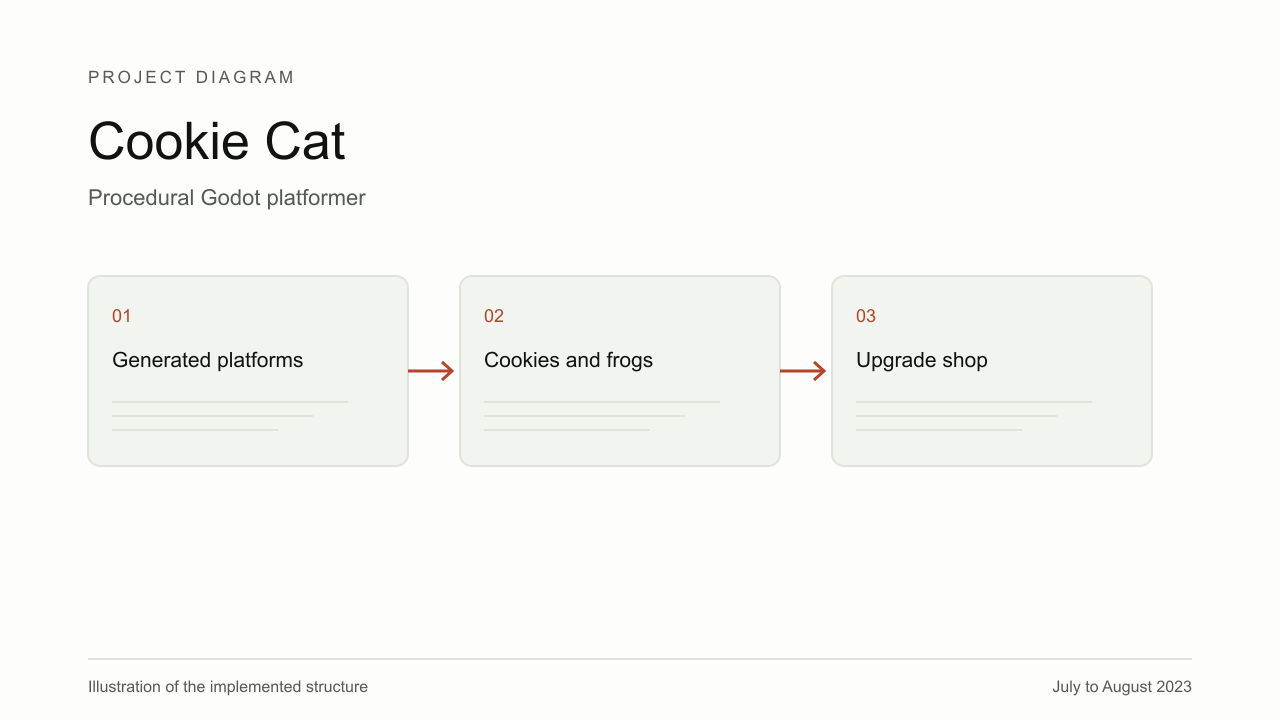
Source codeCookie Cat was a university game project, with a player jumping through a generated level while collecting cookies and buying upgrades between encounters.
This takes the vertices and edges of an OBJ file and finds their minimum spanning tree, turning a connected mesh graph into a much sparser structure.
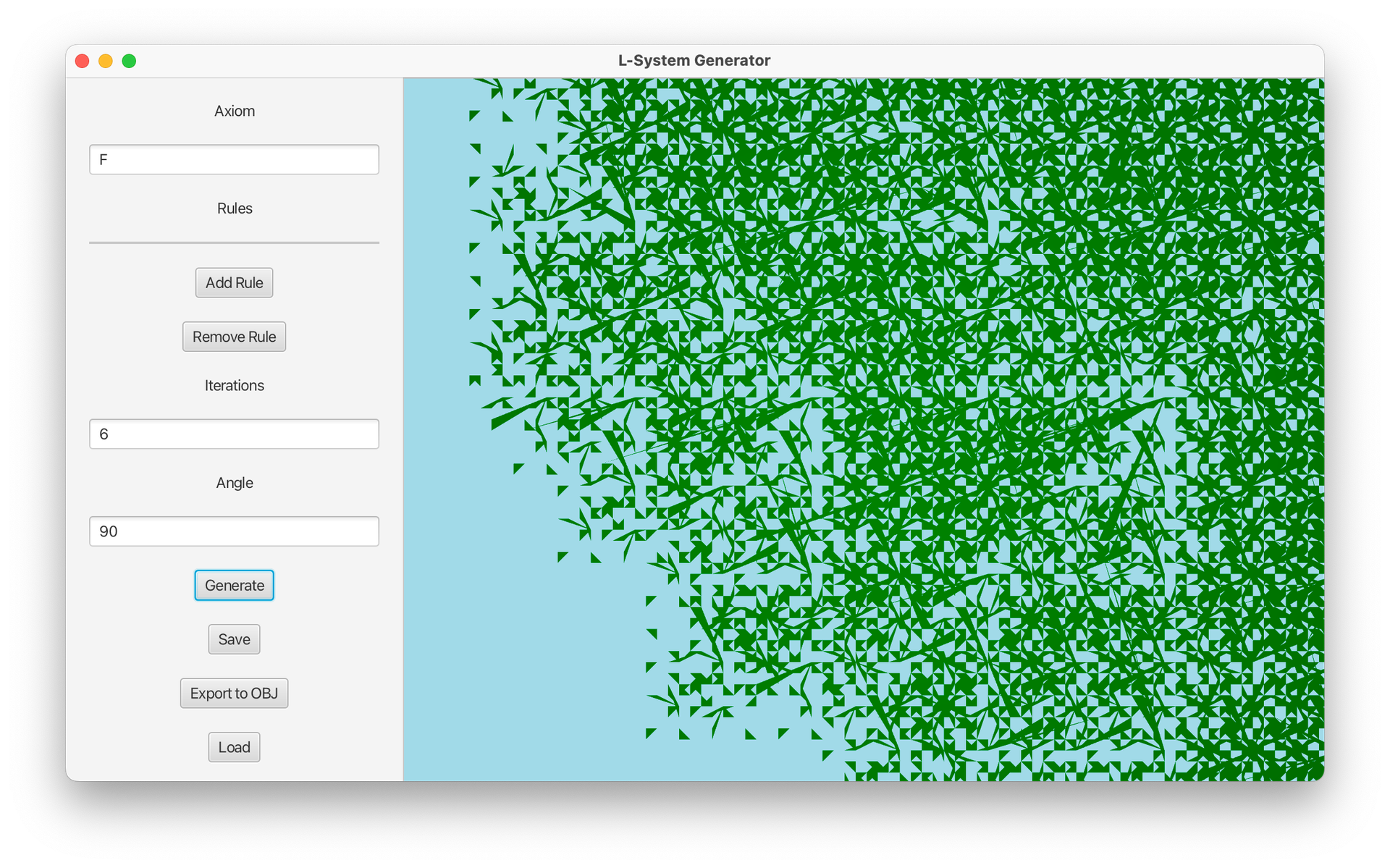
Source codeI made a small L-system editor that turns rewriting rules into branching structures, with an OBJ export so the result can move from JavaFX into Blender.
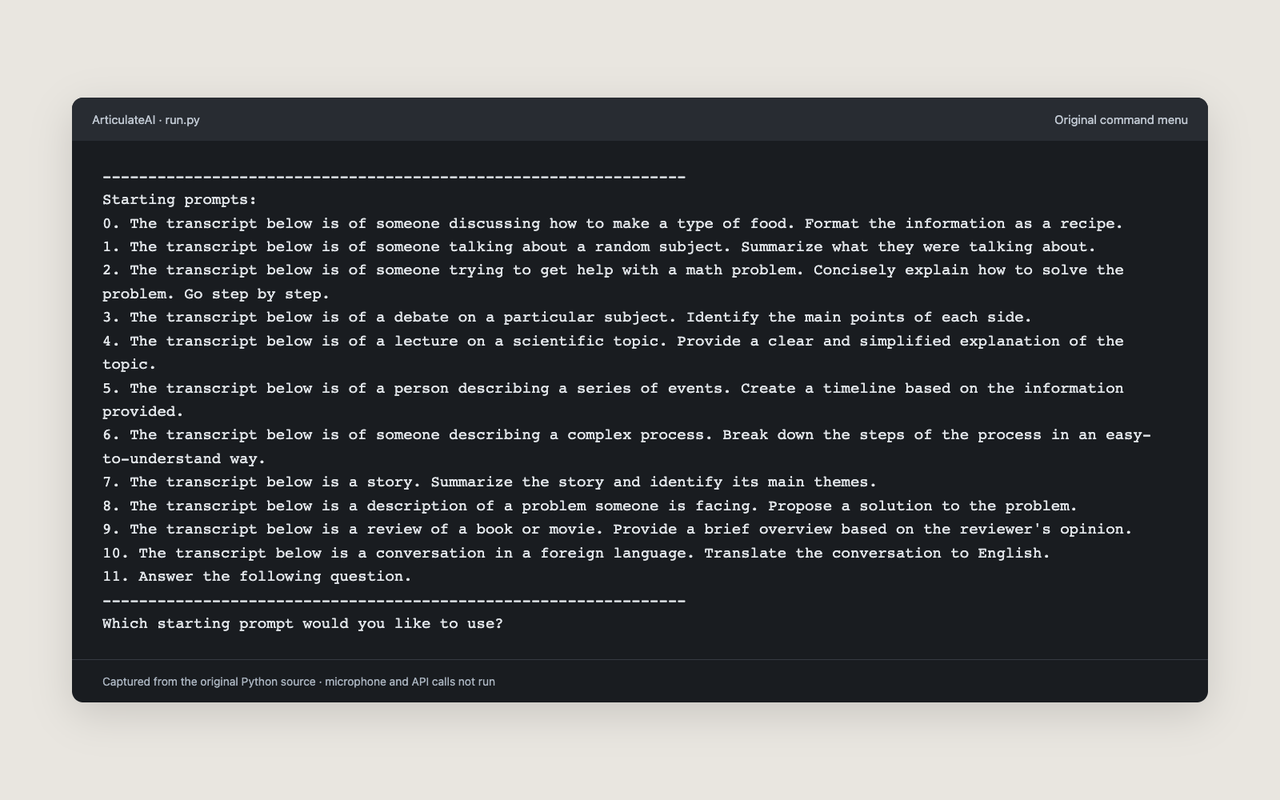
Source codeArticulateAI was one of my early voice experiments, recording a chosen amount of audio and passing it through transcription, a prompted response and optional speech output.
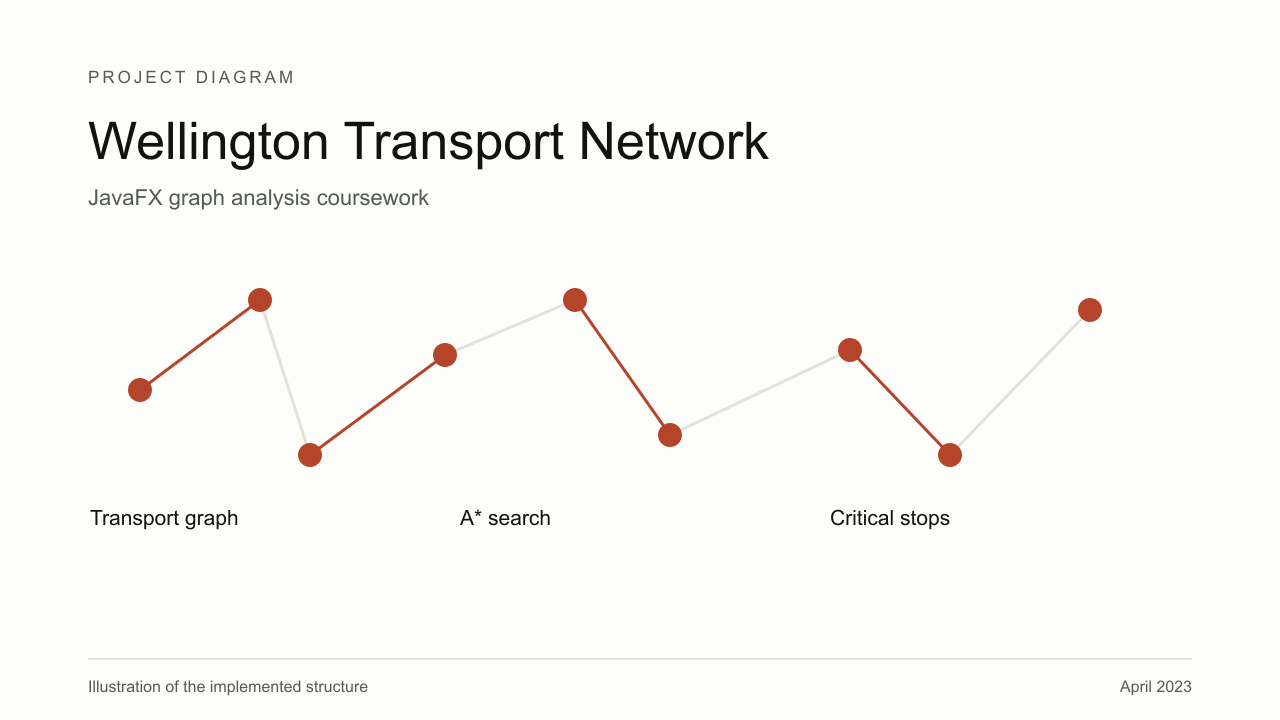
Source codeThis university project treated Wellington public transport as a graph, using the same network to find routes and inspect the stops that held parts of it together.
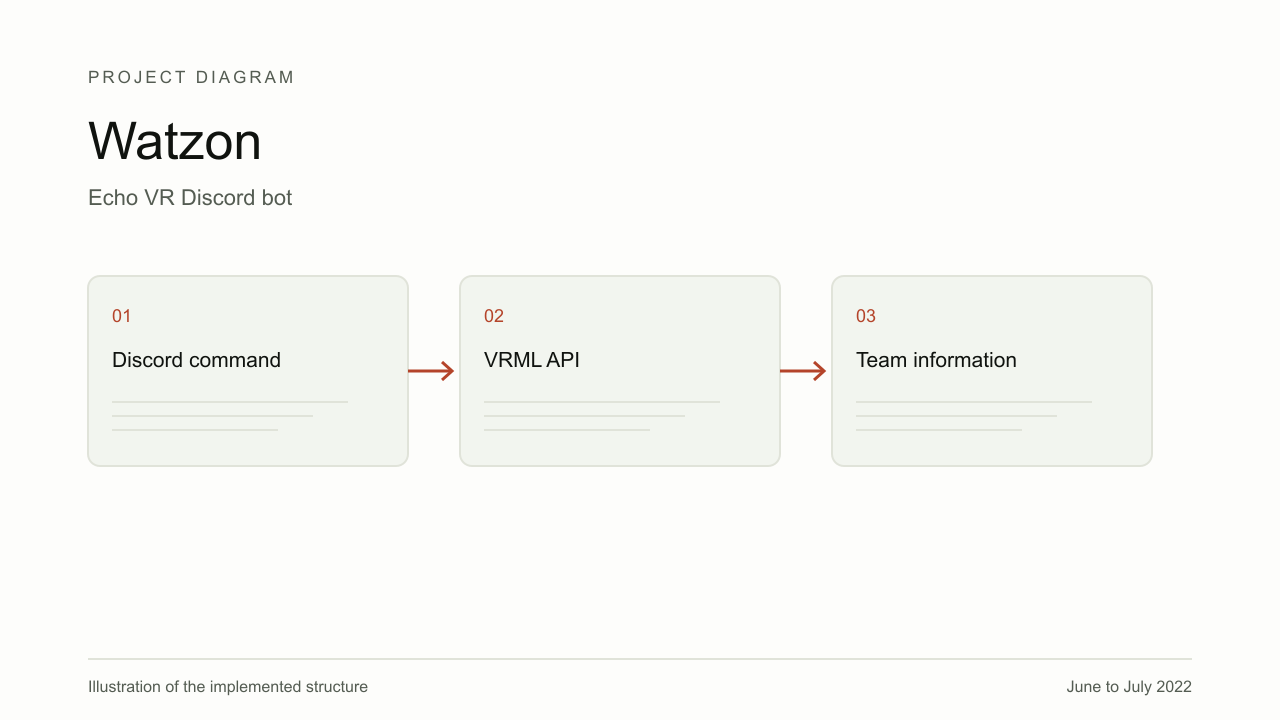
Watzon brought Echo VR league information into Discord, where the OCE community could ask for team details and rankings without opening another site.
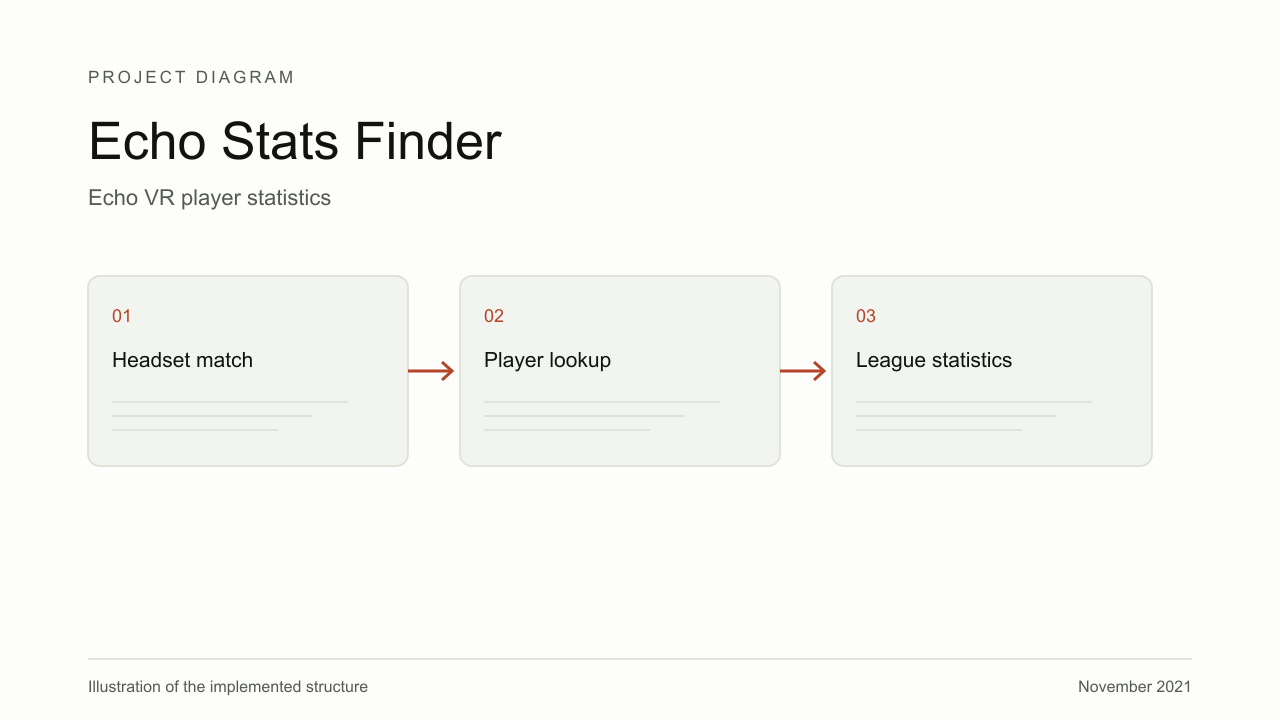
Source codeI worked on Echo Stats Finder with Silveridge, connecting a Python desktop app to Echo VR and VR Master League so players could look up the people they were playing with.
Source codeNothing matches these filters. Try another tag, or show everything.